

Table of Contents
- Eliminate Standing Water
- Maintain Gutters and Downspouts
- Trim Vegetation and Lawn Care
- Install Patio Fans
- Utilize Natural Repellents
- Regular Maintenance and Inspections
- Community Involvement
- Conclusion
With spring just around the corner, everyone looks forward to backyard barbecues, outdoor games, and evenings spent relaxing on the patio. Yet, nothing puts a halt to these plans faster than a sudden influx of mosquitoes. Taking the right precautions before mosquito season kicks into high gear can make a world of difference. By thinking ahead and following the right steps for pest treatment for yard, you can ensure more evenings spent outdoors without bites and constant swatting.
Reducing mosquito populations is not only about comfort. These pesky insects are known carriers of diseases such as West Nile virus, Zika, and dengue, making prevention a matter of health as well as enjoyment. Creating a less inviting environment for mosquitoes can have significant benefits for your family. Early-season preparation is key. Even small changes around your yard can have big impacts, and staying vigilant as the weather changes is essential to keeping mosquitoes away. If you want to go beyond basic yard care, enlisting local pest professionals can provide expert insights on prevention strategies tailored to your unique landscape.
Eliminate Standing Water
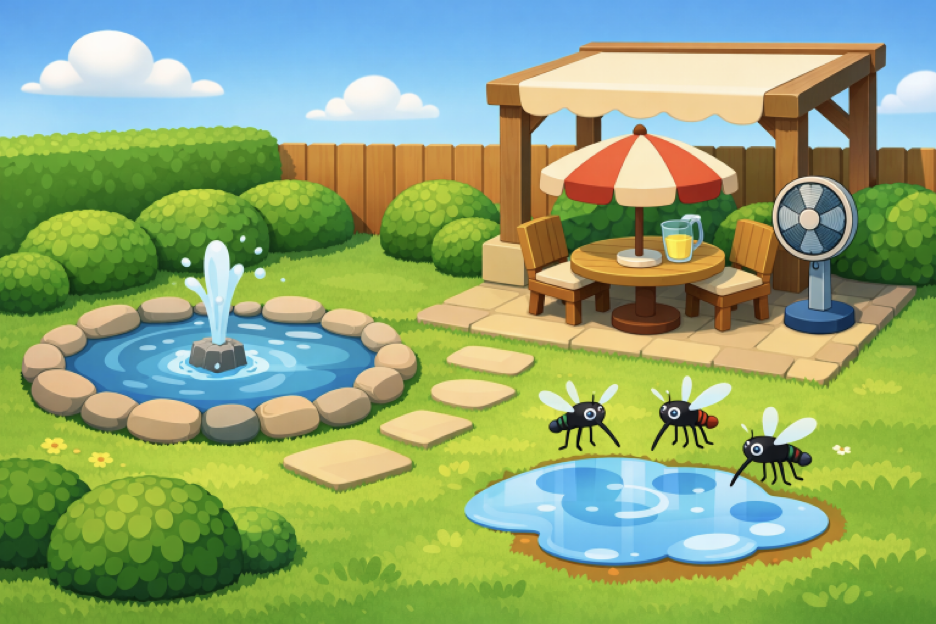
Mosquitoes must have stagnant water to lay their eggs, so eliminating standing water is your first and most important strategy. Inspect your yard every few days, especially after rain, for items and areas that can collect and hold water, such as birdbaths, plant saucers, old tires, outdoor toys, and low-lying spots where puddles form. Even small amounts of water can quickly become breeding grounds for mosquito larvae. For decorative water features like birdbaths, change the water at least twice a week to break the breeding cycle. If you have a pond or fountain, adding a pump to keep water moving (or using mosquito “dunks” that are safe for wildlife) can keep mosquitoes from taking up residence.
Maintain Gutters and Downspouts
Clogged gutters and downspouts allow water to pool, creating yet another ideal mosquito habitat. Clean gutters thoroughly at least twice a year, removing any organic material that might block water flow. Ensure downspouts direct water away from your home’s foundation and do not leave puddles in your landscaping. Regularly check for leaks or sagging sections that could trap hidden water. By keeping your gutter system clear, you help interrupt the mosquito breeding cycle and protect your home from water damage.
Trim Vegetation and Lawn Care
Thick vegetation, tall grass, and excessive leaf litter create cool, shady resting places for mosquitoes during the daytime heat. Mow the lawn regularly and keep the yard edges tidy. Trim overgrown shrubs and remove piles of leaves or yard debris. Minimizing these shaded hideouts makes your yard less appealing to mosquitoes and helps keep your landscape healthy overall.
Incorporating these maintenance habits can also benefit wildlife, your garden, and your home’s curb appeal.
Install Patio Fans
Because mosquitoes are relatively poor fliers, a simple and effective way to deter them from your favorite outdoor areas is to use patio fans. The moving air makes it difficult for mosquitoes to navigate and land, providing an instant barrier during backyard gatherings. For best results, choose fans that cover a broad area and run them whenever you are outside.
Utilize Natural Repellents
Enhance your pest defense with natural solutions by planting varieties known to repel mosquitoes. Citronella, lavender, marigolds, and basil are attractive, fragrant, and provide some natural protection. Consider adding these along patio borders or in garden beds near seating areas. A balanced approach using plants and other methods can help lessen the need for chemical-based repellents in your outdoor living areas.
Regular Maintenance and Inspections
Consistency matters. Plan seasonal inspections as part of your regular yard care routine. After rain or extreme weather events, walk your property to look for new water collection spots or areas where vegetation has become overgrown. Addressing issues as soon as they emerge will keep mosquito populations in check throughout the warmer months.
Community Involvement
Effective mosquito control is most successful when neighbors participate as well. Mosquitoes can travel between yards, so encouraging those nearby to follow the same best practices can multiply the effects. Community groups or neighborhood associations can share reminders and tips as the season changes.
For more insights, the EPA offers extensive information on community mosquito control and prevention programs.
Conclusion
By eliminating stagnant water, keeping your gutters clean, maintaining a tidy lawn, using patio fans, and incorporating mosquito-repelling plants, you can make spring and summer far more enjoyable. Regular yard checks and neighbor cooperation round out a proactive approach that helps protect your family and community from mosquitoes and the illnesses they can carry. Now is the perfect time to start preparing for a bite-free season spent outdoors.

Reach out for business queries.
wayhubs@gmail.com