

Key Takeaways
- New York City’s landmark buildings host diverse cultural events throughout the year.
- Innovative adaptations, such as heated enclosures, enable year-round programming.
- These venues contribute significantly to the city’s cultural vibrancy and tourism.
Introduction
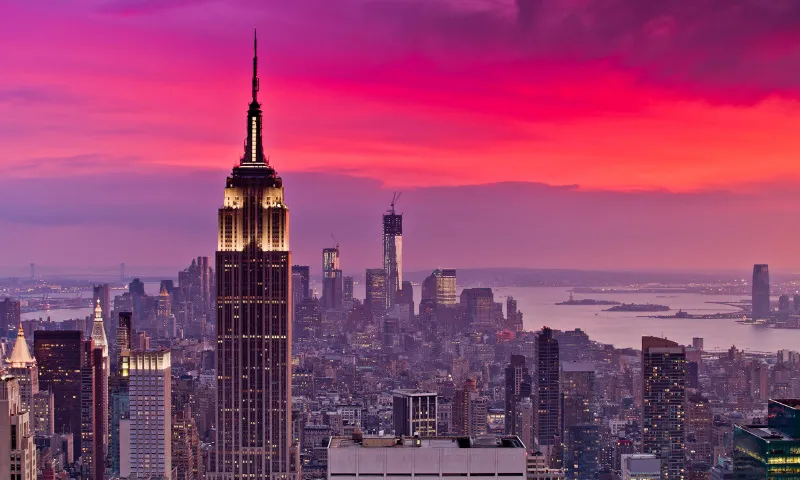
New York City’s skyline is world-famous, recognized for its distinctive blend of historic icons and modern marvels. Beyond their striking exteriors, these landmarks are home to a thriving cultural ecosystem, hosting a variety of events that captivate locals and visitors alike. As these venues reinvent how they engage with the community, exploring upcoming New York City events reveals an endless spectrum of experiences available year-round. Architecture and culture converge in ways that feel uniquely New York. Landmark buildings are not just relics of the past; they are living, evolving spaces that provide opportunities for connection, inspiration, and creativity. Whether it is an art installation within an ornate banking hall or a concert atop a riverside pier, these spaces demonstrate the lasting power of innovative design and adaptive reuse to bring people together.
For both seasoned New Yorkers and first-time tourists, the vitality of the city’s cultural calendar is reflected in how these architectural masterpieces integrate performance, art, and seasonal celebration into everyday life. Their transformation from static monuments into lively gathering places ensures that the city remains one of the world’s leading cultural destinations. To understand how this is achieved, consider recent trends in adaptive architecture, programming innovation, and community outreach that reinvigorate New York’s built heritage. Landmark buildings are at the heart of this movement, ensuring the city’s creative energy never goes dormant. For a deeper dive into the profound impact of the arts in urban development, The New York Times discusses how cities benefit when buildings are designed as gathering spaces for creativity.
Adaptive Use of Historic Spaces
The transformation of historic structures into contemporary cultural venues is reshaping the city’s identity. The Hall des Lumières is a notable example, occupying the former Emigrant Industrial Savings Bank. Here, immersive exhibitions of digital art illuminate century-old marble and sculpted ceilings, blending the artistry of the past with futuristic technology. This reimagining gives new purpose to otherwise overlooked spaces, allowing visitors to appreciate both the building’s grandeur and the innovations within it.
Innovations for All-Season Engagement
One of New York’s strengths is its ability to tackle seasonal challenges and keep cultural programming thriving year-round. Venues like Pier 17 in the Seaport District have led the way by constructing heated glass pavilions that host concerts, public skating, and bustling artisan markets even in the depths of winter. As the weather changes, so does the experience, ensuring steady foot traffic and fostering a sense of continuity in the city’s creative life. This thoughtful adaptation not only benefits cultural organizations but also contributes to the vibrancy of surrounding neighborhoods. Entertainment Weekly highlighted how such innovations support the economic health of the arts sector, enabling events and creative work to proceed even in the harshest conditions.
Landmarks as Cultural Catalysts
New York’s architectural landmarks are powerful catalysts for cultural resurgence and urban revitalization. The Perelman Performing Arts Center, positioned at the World Trade Center site, epitomizes this role. It features modular venues that transition easily between theater, dance, concerts, and cinema, accommodating a spectrum of artistic visions. The building’s presence highlights how architecture can serve not just as a backdrop, but as an active agent in bringing people together, healing divisions, and fostering artistic dialogue across the city.
Seasonal Traditions in Iconic Settings
Cultural traditions rooted in place reinforce the meaning and identity of New York’s historic institutions. Every winter, the Paley Center for Media transforms its space into PaleyLand, a festival of classic holiday programming and interactive installations. The magic of these events is heightened by their distinctive setting in a Midtown landmark, where the history of broadcast media meets the nostalgia of cherished seasonal stories. These gatherings help create memories for multiple generations and underscore the role of location in shaping lasting traditions.
Public Art Installations in Historic Contexts
Major public art installations are commonly found within or around landmark buildings, fostering a direct connection between New York’s storied past and its ever-evolving present. Grand Central Terminal’s “Dear New York” project filled the terminal’s concourse with thousands of portraits and community stories, transforming a bustling transportation hub into a giant canvas for public expression. These immersive projects invite city residents and visitors into an ongoing dialogue about the place and its history, deepening a sense of shared belonging.
Year-Round Cultural Programming
Continuous access to arts and education is a hallmark of the city’s approach to cultural engagement. Governors Island’s year-round arts center, housed in a repurposed 19th-century warehouse, serves as an example of how landmark buildings can support community enrichment beyond the tourist season. The space offers studio residencies, exhibitions, and public classes, encouraging frequent and meaningful participation that brings renewed vitality to an historic site.
Conclusion
Landmark buildings are fundamental to the vibrancy and identity of New York City. Their creative reinvention as venues for art, performance, and tradition ensures that culture remains at the forefront of urban life. Through adaptive reuse, programming innovation, and a commitment to accessibility, these architectural icons continue to serve as anchors for the city’s creative future, making New York a beacon of culture and imagination year-round. Many of these structures also bridge the past and present, preserving historical significance while embracing modern design and technology. This blend allows visitors to experience both heritage and innovation in a single space, enriching their understanding of the city’s evolution. As New York continues to grow and change, its landmark buildings remain enduring symbols of resilience, creativity, and community, inspiring both residents and visitors to engage more deeply with the stories embedded in the urban landscape.

Reach out for business queries.
wayhubs@gmail.com