

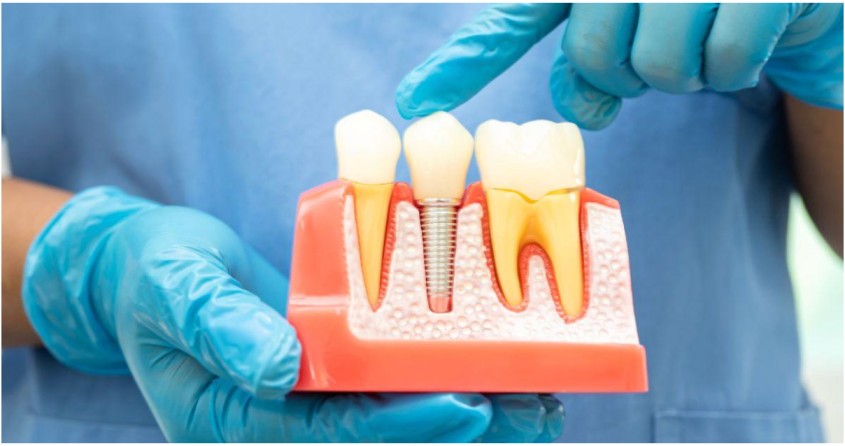
Dental implants are one of the most reliable ways to replace missing teeth. They look natural, feel strong, and can last for many years with proper care. But like any dental treatment, they don’t always go as planned.
Implant failure is more common than most people think. Studies suggest that around 5 to 10% of dental implants fail at some point, either shortly after placement or years down the track. If you’re considering or already have dental implants Lower Hutt, knowing what can go wrong and how to avoid it is genuinely useful.
This article breaks down the main reasons implants fail, what warning signs to look for, and the practical steps you can take to protect your investment.
What Does Dental Implant Failure Actually Mean?
Early Failure vs. Late Failure
Implant failure falls into two broad categories.
Early failure happens within the first few months. This is usually related to the implant not fusing properly with the jawbone, a process called osseointegration. If the bone doesn’t bond with the titanium post, the implant becomes loose and needs to be removed.
Late failure happens months or even years after the implant seemed to be working fine. This type is often caused by infection, bone loss, or excessive pressure on the implant over time.
Both types are treatable, but early detection makes a big difference in outcome.
Common Causes of Dental Implant Failure
1. Peri-Implantitis (Gum Infection Around the Implant)
This is the leading cause of implant failure in adults. Peri-implantitis is a bacterial infection that attacks the gum and bone tissue surrounding the implant. It’s similar to gum disease but specifically affects implant sites.
Signs include swollen or bleeding gums, pain when chewing, and a bad taste in your mouth. If left untreated, the infection eats away at the bone holding the implant in place.
Good oral hygiene, including brushing twice daily, flossing, and using an antibacterial mouthwash, significantly reduces your risk of dental issues.
Regular dental check-ups are also key to catching early signs before they become serious, especially if you’re considering or maintaining dental implants Lower Hutt, as proper care ensures long-lasting results and overall oral health.
2. Insufficient Bone Density
Implants need a solid base of healthy jawbone to fuse into. If the bone is too thin, too soft, or has shrunk due to tooth loss, the implant may not integrate properly.
Bone loss can happen when a tooth has been missing for a long time. The jawbone naturally starts to shrink when it’s no longer stimulated by a tooth root. In some cases, a bone graft procedure is done before implant placement to rebuild the area.
Your dentist will assess bone volume through X-rays or a CT scan before recommending implants.
3. Smoking and Tobacco Use
Smoking is one of the most significant risk factors for implant failure. Research shows that smokers have a failure rate up to twice as high as non-smokers.
Tobacco reduces blood flow to the gums and slows healing after surgery. It also increases the risk of infection during the critical period when the implant is fusing with the bone.
If you smoke and are considering implants, your dentist may suggest quitting or reducing before and after the procedure. Even cutting back can improve outcomes.
4. Medical Conditions That Affect Healing
Certain health conditions can interfere with how the body heals after implant surgery.
Diabetes is a well-known risk factor. Poorly controlled blood sugar slows wound healing and increases infection risk. People with well-managed diabetes can still have implants successfully, but it requires close monitoring.
Osteoporosis affects bone density throughout the body, including the jaw. Some medications used to treat osteoporosis (bisphosphonates) can also affect how the jaw responds to surgery, so this must be discussed with your dentist before treatment.
Autoimmune conditions and blood disorders may also affect healing, so always give your dentist a full picture of your medical history.
5. Poor Placement or Surgical Error
Implant success depends heavily on precise placement. If the implant is positioned at the wrong angle, placed too close to a nerve, or put into an area with inadequate bone, problems are more likely to follow.
This is why choosing a skilled and experienced dental professional matters. Look for someone with specific training in implant dentistry, and don’t hesitate to ask about their experience with complex cases.
6. Overloading the Implant
Putting too much pressure on an implant too soon after surgery can disrupt the healing process. This might happen if the crown is placed before osseointegration is complete, or if a patient grinds their teeth at night.
Teeth grinding (bruxism) is a major but often overlooked cause of implant stress. The repeated force can cause micro-movements in the implant, preventing it from integrating properly or damaging the crown later on.
A custom night guard can protect implants from grinding forces and extend their lifespan considerably.
Warning Signs Your Implant May Be Failing
Don’t ignore these symptoms:
Persistent pain or discomfort around the implant site, especially after the initial healing period.
Swollen, red, or bleeding gums near the implant.
The implant feels loose or moves when you touch it.
Difficulty chewing that wasn’t there before.
Numbness or tingling in the jaw, lips, or gums.
Any of these warrant a dental check-up straight away. The sooner a problem is identified, the better the chance of saving the implant.
How to Prevent Dental Implant Failure
Maintain Consistent Oral Hygiene
Brush at least twice a day with a soft-bristled brush. Use interdental brushes or floss designed for implants to clean between teeth and along the gum line. Ask your dentist for a hygiene routine suited to your specific implant type.
Attend Regular Dental Check-Ups
Your dentist can spot early signs of bone loss or gum inflammation before they become serious issues. Most dental professionals recommend check-ups every six months for implant patients.
Manage Health Conditions Proactively
If you have diabetes, osteoporosis, or any other condition affecting healing, work with your doctor to keep it well managed before and after implant surgery. Good overall health supports good implant outcomes.
Quit Smoking
If you’re a smoker, quitting before surgery significantly improves your odds of success. Even reducing your intake helps. Talk to your dentist or GP about cessation support if you need it.
Address Teeth Grinding
If you suspect you grind your teeth, mention it to your dentist. A night guard is a straightforward solution that can protect your implant from unnecessary strain during sleep.
FAQ: Dental Implants and Failure
Can a failed implant be replaced?
In many cases, yes. Once the failed implant is removed and the area has healed, a new implant can sometimes be placed, often with a bone graft if bone loss occurred. Outcomes vary depending on what caused the original failure.
How long do dental implants normally last?
With proper care, implants can last 15 to 25 years or longer. The crown on top may need replacing every 10 to 15 years due to normal wear. Long-term success depends heavily on hygiene, lifestyle, and regular dental visits.
Is implant failure painful?
It can be. Some people experience significant discomfort, while others only notice a loose implant or mild soreness. Pain levels vary, but any unexplained pain around an implant should be checked promptly.
Are some people just not good candidates for implants?
Yes. People with severe bone loss, uncontrolled systemic diseases, or certain medications may not be suitable candidates without additional preparation, such as bone grafting or medical optimisation first. A thorough consultation with your dentist will clarify your options.
Conclusion
Dental implant failure isn’t inevitable, but it’s also not always preventable without effort. The biggest risks come down to infection, poor bone health, lifestyle factors like smoking, and inconsistent aftercare.
If you’re looking into dental implants in Lower Hutt, starting with a thorough assessment from an experienced dental professional is the right move. Understanding the risks upfront and committing to good aftercare gives your implant the best chance of lasting for years to come.
Speak to your local dentist if you have concerns about an existing implant or want to know whether you’re a suitable candidate for treatment.

Reach out for business queries.
wayhubs@gmail.com