


Key Takeaways:
- Relapse is a common part of the recovery journey and should be viewed as an opportunity for growth.
- Identifying personal triggers and developing coping strategies are essential for relapse prevention.
- Building a strong support network and engaging in healthy lifestyle choices can bolster resilience.
- Utilizing evidence-based therapies and seeking professional help can provide additional support.
Table of Contents:
- Understanding Relapse
- Common Triggers for Relapse
- Developing Coping Strategies
- Building a Support Network
- Engaging in Healthy Lifestyle Choices
- Utilizing Evidence-Based Therapies
- Seeking Professional Help
- Final Thoughts
Understanding Relapse
Relapse, which occurs when an individual returns to substance use after a period of abstinence, is a natural and often expected experience for people working toward long-term recovery. Far from being a sign of failure, relapse can become a valuable opportunity to learn more about personal vulnerabilities and the strategies and supports that are most effective. For those seeking to build resilience and prevent future setbacks, accepting the possibility of relapse is crucial. Many people in recovery experience episodes of relapse, which underscores the need for ongoing support, patience, and self-compassion. Discovering resources such as rehab in Georgia can play a pivotal role in building a foundation for sustained recovery.
Recovery is a journey, not a destination, and it often comes with unexpected turns and difficulties. Research indicates that more than 60% of individuals recovering from substance use disorder relapse within their first year of abstinence. Although this statistic may seem discouraging, it serves as an important reminder that setbacks are common and do not erase the progress that has been made. Recovery involves continuous improvement and the development of new strategies to address challenges as they arise.
- Environmental Cues: Certain people, locations, or routines associated with previous substance use may reignite urges.
- Negative Emotions: Sadness, anger, frustration, or loneliness can increase vulnerability to relapse, which is why emotional awareness and management are crucial components of recovery.
- Social Pressure: Spending time in social settings where substance use is common can challenge an individual’s resolve, particularly in the early stages of recovery.
Developing Coping Strategies
Learning to navigate triggers and high-risk situations is crucial for maintaining sobriety. Effective coping strategies can significantly improve recovery outcomes.
- Mindfulness Practices: Engaging in activities like meditation, yoga, and deep breathing can calm the mind and help reduce impulsive behavior driven by intense emotions.
- Cognitive Behavioral Techniques: Regularly identifying and challenging harmful thought patterns with healthier, more supportive beliefs can diminish the drive to use substances as a reaction to stress.
- Emergency Plans: Having clear action steps, such as calling a sponsor, therapist, or support person, in moments of crisis, empowers individuals to act thoughtfully rather than impulsively.
Building a Support Network
A strong, understanding support network dramatically increases the likelihood of sustained recovery. Regular engagement with peer recovery groups such as SMART Recovery supports accountability and connection. Sharing stories and solutions with people who understand the recovery process can reduce isolation and help reinforce sobriety. Open communication with family and friends also creates a layer of accountability and encouragement. Loved ones who are aware of your intentions can offer help during times of stress or temptation.
Expanding Your Circle of Support
Consider exploring community resources or online forums where advice, encouragement, and understanding are available anytime. Expanding your support circle can boost confidence and motivation, especially during moments of vulnerability.
Engaging in Healthy Lifestyle Choices
Focusing on healthy routines supports both physical and mental resilience. Committing to regular exercise, eating balanced meals, and getting adequate rest strengthens overall well-being and reduces stress that might otherwise trigger cravings. Hobbies, creative projects, and positive social activities provide fulfilling alternatives to substance use and foster a greater sense of purpose. Replacing old habits with enjoyable and meaningful pursuits builds confidence and self-worth along the way.
Benefits of Self-Care
Self-care is not just a luxury but an essential aspect of recovery. When you nurture yourself physically and emotionally, you are actively reducing your vulnerability to relapse. Taking time for relaxation, social connection, and activities you love can contribute to lasting sobriety.
Utilizing Evidence-Based Therapies
Incorporating counseling and evidence-based therapeutic approaches can effectively address underlying issues related to substance use. Mindfulness-Oriented Recovery Enhancement (MORE) is one such therapy that blends mindfulness, cognitive-behavioral techniques, and positive psychology to target addiction and emotional distress. Additionally, traditional approaches like Cognitive Behavioral Therapy (CBT) and Medication-Assisted Treatment (MAT) have shown consistent effectiveness in supporting individuals coping with substance use disorders.
Working with a qualified therapist can provide both practical tools and encouragement, helping individuals stick with their recovery plan over time.
Seeking Professional Help
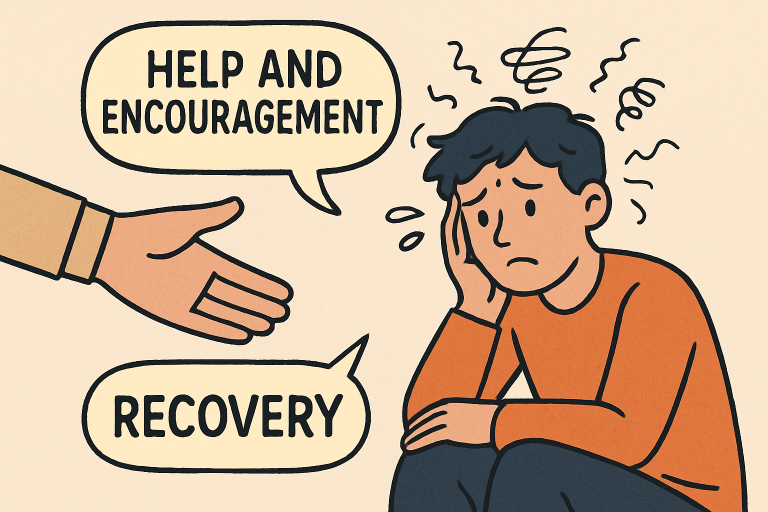
Relapse is not a journey you need to navigate alone. Professional assistance from counselors or specialized treatment centers offers individualized plans to help people recognize and overcome patterns of relapse. Many services, including relapse prevention hotlines, are available around the clock to provide immediate support, crisis intervention, and referrals for ongoing care tailored to each individual’s needs.
Early intervention can significantly affect outcomes, so do not hesitate to seek help if you or someone you know is struggling. You are not alone, and support is always available.
Final Thoughts
While relapse may feel discouraging, it is a manageable aspect of the recovery journey. By understanding personal triggers, developing robust coping strategies, building a reliable support network, prioritizing healthy lifestyle choices, seeking evidence-based therapies, and reaching out for professional assistance, individuals in recovery can continue to move forward with renewed hope and strength.

Reach out for business queries.