

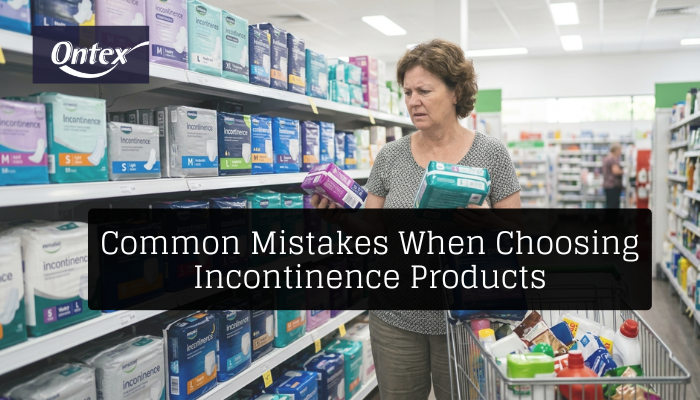
If you have ever grabbed a product off the shelf, tried it, and ended up dealing with leaks anyway, we get it. Choosing the right incontinence products is not easy at all, especially when there are so many options.
At Ontex Healthcare, we have helped hundreds of Australians find the right fit. The National Association for Continence estimates that 80% of people use the wrong product. On top of that, most try seven or more options before finding one that works.
In this guide, we will cover the most common incontinence product mistakes, popular substitutes that cause harm, and how to match products to your leakage type.
Read on to find out where most people go wrong.
Are You Using the Right Product for Your Type of Urinary Incontinence?
The right incontinence product depends entirely on which type of urinary incontinence you have. For example, stress, urge, and overflow incontinence each cause a different kind of leak, and each one needs a different kind of protection.
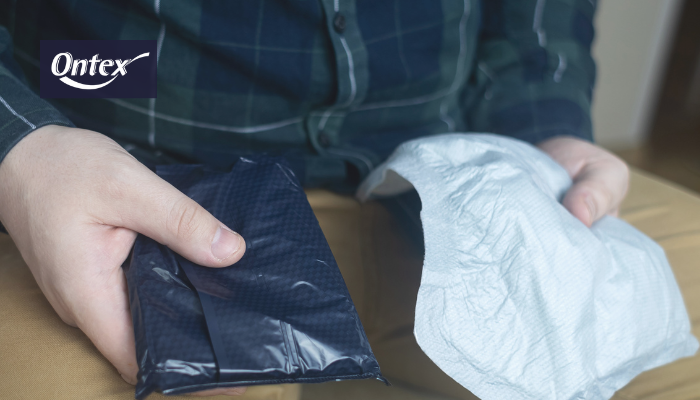
Getting this wrong is one of the most common mistakes people make, and it ultimately results in leaks regardless of how absorbent the product is.
Let’s take a closer look at each type:
Stress Incontinence
Stress incontinence causes urine to leak when pressure builds on the bladder during coughing, sneezing, laughing, or exercise. Weak pelvic floor muscles are the prime reason, particularly in women after childbirth or during menopause. An enlarged prostate can also contribute to stress leaks in men.
If this sounds like your situation, a slim, close-fitting iD Light pad from Ontex Healthcare gives you discreet, targeted protection without the bulk of a heavier product (and yes, you can wear it all day without anyone knowing).
Urge Incontinence
Urge incontinence is that sudden, overwhelming need to urinate with very little warning. The bladder muscles contract at the wrong time, sending urgent signals to the nerves before the bladder is actually full. Certain medications, multiple sclerosis, and bladder irritants can all make these symptoms worse.
If you have ever soaked through a light pad on the way to the toilet, urge incontinence may be the reason. This type of incontinence needs a product with rapid absorption and higher capacity, like the iD Pants range, which handles larger, faster leaks without bulk or discomfort.
Overflow Incontinence
Overflow incontinence causes a constant, slow dribble because the bladder never fully empties. Many people misread these symptoms as light leakage and reach for a thin liner, which leaves them unprotected within an hour. We hear this often from people who have spent months in the wrong product before realising what was actually happening.
The problem is that Overflow incontinence requires all-day absorbency coverage across the entire pad surface. Our Lille Classic range offers consistent, reliable protection that suits this pattern of leakage far better than a light liner ever could.
Why Period Pads and Toilet Paper Are the Wrong Choice
Period pads and toilet paper are not designed for urine, and using them regularly causes real skin damage over time. Switching to a purpose-built incontinence pad means faster absorption, drier skin, and far less irritation.
If you have ever reached for a period pad or folded toilet paper in a pinch, you are not the first. But it is worth knowing why those choices cause more problems than they solve.
- Period Pads Absorb Differently: Period pads are built for thicker menstrual fluid, not the fast, watery flow of urine. Your bladder does not wait, and neither does the leak. Within minutes, the pad is overwhelmed, your skin is wet, and the pad has shifted. That is a lot of discomfort for something that was never going to work in the first place.
- Toilet Paper Offers Zero Protection: Toilet paper dissolves the moment it contacts urine. It breaks apart, shifts out of place, and leaves your skin completely exposed (we know it feels like a quick fix in the moment, but it truly is not). Regular contact with wet skin raises your risk of irritation, rashes, and infection faster than you might expect.
- Wrong Materials Damage Your Skin: According to DermNet NZ, prolonged urine contact raises skin pH, weakens the skin barrier, and increases the risk of rashes and infection over time. Here, purpose-built incontinence pads lock moisture away from your skin and keep the surface dry between changes.
Pairing the right incontinence pad with a good skin care routine helps even more. The Serenity Care range from Ontex Healthcare is built for exactly this, keeping skin clean, calm, and protected after every change.
Common Incontinence Product Mistakes That Cost You Comfort and Money
The most common incontinence product mistakes are buying based on price, layering pads, and getting the size wrong. All three mistakes lead to leaks, skin irritation, and wasted money. And these mistakes are completely avoidable once you know what to look for.
Let’s walk through each one:
Buying on Price Alone
Price is not a reliable guide for incontinence products. Cheaper options often fall short on absorbency, which means leaks, wet clothing, and another trip to the chemist within days. Good quality incontinence products do not have to break the bank, but absorbency should always come before price.
Layering Two Pads Together
This one surprises a lot of people. Layering two pads does not increase absorbency at all. The waterproof backing on the outer pad blocks liquid from passing through, so the whole system fails. If one pad is not holding up, the answer is a higher absorbency product, not two pads stacked together.
Getting the Size Wrong
Wrong sizing causes gaps at the leg and waist, and those gaps let leaks through regardless of how absorbent the pad is. If your pad feels secure but you are still leaking around the edges, sizing is very likely the issue. Always check the sizing guide before ordering, and keep spare clothes handy while you find your right fit.
Beyond the product itself, small lifestyle changes like monitoring fluid intake, reducing acidic foods, and managing constipation can genuinely improve bladder control over time.
A continence nurse or your doctor can guide you through effective treatments that work alongside your incontinence products. The National Continence Helpline on 1800 330 066 also connects you with free, confidential advice and local support groups across Australia.
Finding the Right Incontinence Product Does Not Have to Be Hard
Now that you know what to avoid, finding the right product is much simpler than most people expect. The right fit comes down to knowing your incontinence type, matching it to the correct absorbency level, and getting the size right from the start.
At Ontex Healthcare, we have a full range of incontinence products across every leakage level, from slim iD Light pads for stress leaks to Lille all-in-one briefs for heavier needs. And if you are not sure where to start, our free Product Selector tool is available online to guide you to the right fit without any guesswork.
You can also order free samples before committing to a full purchase. Remember that finding a product that works for your body and your life should never go through any assumption.

Reach out for business queries.
wayhubs@gmail.com