

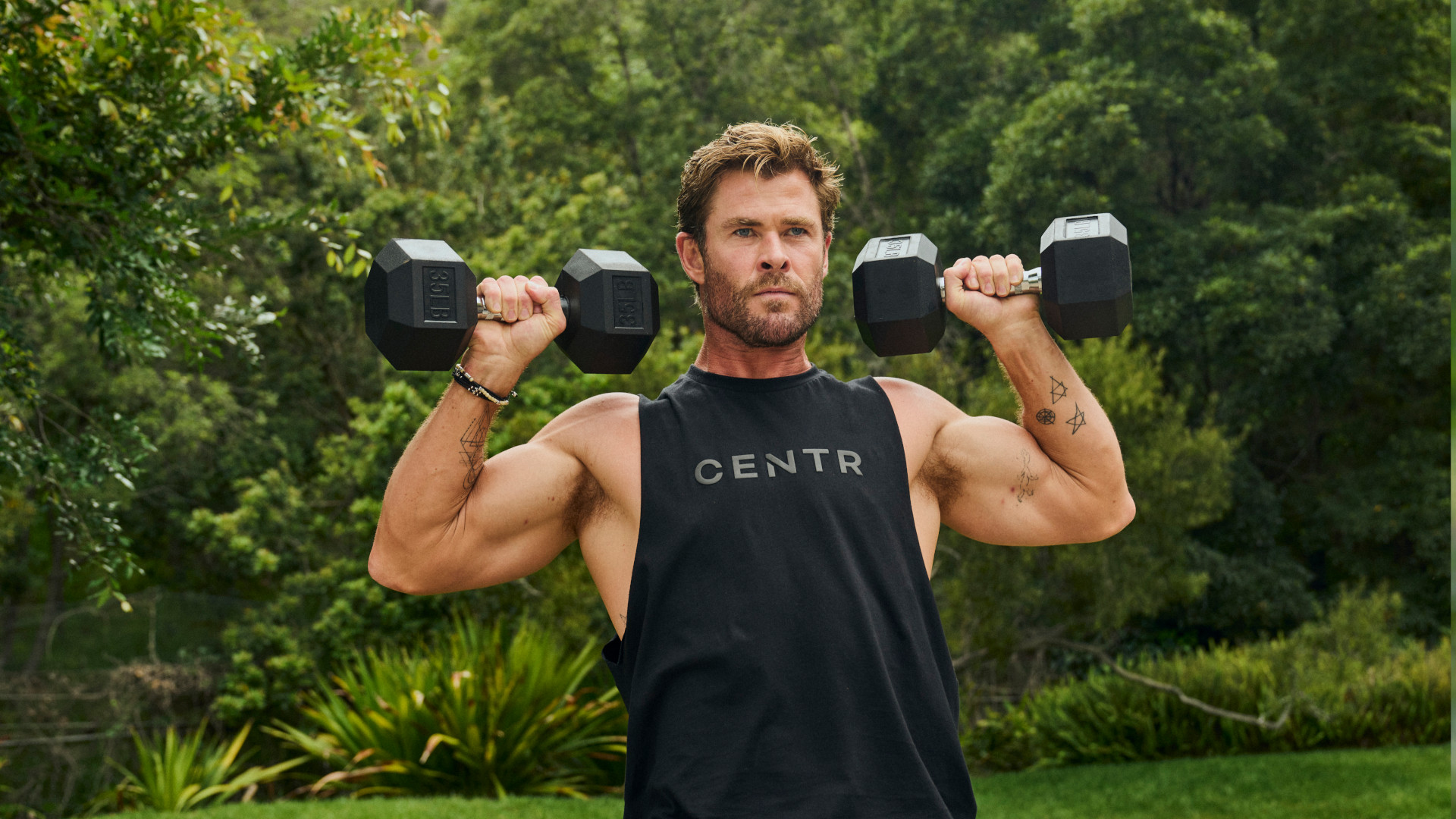
Dumbbell workouts are a fantastic way to improve your workout routine. They offer a range of benefits that can improve your body, health, and lifestyle. Whether you’re looking to build muscle, increase strength, or simply improve your fitness levels, incorporating dumbbell exercises into your routine can be a game-changer.
In this article, we’ll explore the essentials of dumbbell training, how to design effective total body workouts, and the specific exercises that can help you achieve your fitness goals. We’ll also provide a quick, efficient 20-minute workout plan and look into the benefits of circuit training. Whether you’re aiming for muscle gain or just starting out, we’ve got you covered with tips and insights to help you get started on your fitness journey.
The Basics of Dumbbell Training for Strength and Fitness
Dumbbell training is an important part of strength and fitness routines. Here’s why:
- Versatility: Dumbbells allow you to target a wide range of muscle groups, making them an essential tool for achieving a balanced workout.
- Adaptability: Suitable for all fitness levels, dumbbells can be used in various exercises, from simple lifts to complex movements.
- Effectiveness: Incorporating dumbbells into your routine can lead to significant improvements in strength and muscle tone.
The fundamentals of dumbbell training revolve around controlled movements and proper form. This not only makes the exercises more effective but also minimizes the risk of injury. By focusing on these basics, you can build a strong foundation for your fitness journey.
Designing a Total Body Dumbbell Workout
Creating an effective total body dumbbell workout doesn’t have to be complicated. With the right approach, you can target all major muscle groups and make your workout more effective. Here are some tips to help you design a balanced routine:
- Choose a variety of exercises: Incorporate movements that target different muscle groups, such as squats, lunges, presses, and rows.
- Balance your routine: Ensure you’re working both upper and lower body muscles. For example, pair a chest press with a squat.
- Focus on form: Proper technique is crucial to avoid injury and to ensure you’re effectively working the muscles.
- Adjust weight and repetitions: Use a weight that challenges you, aiming for 8-12 repetitions per set. Adjust as needed to maintain form.
Examples of exercises you can include in your routine:
- Dumbbell Squats: Targets quads, hamstrings, and glutes.
- Bent-Over Rows: Works the back and biceps.
- Dumbbell Shoulder Press: Engages shoulders and triceps.
- Lunges: Strengthens legs and improves balance.
- Chest Press: Focuses on the chest, shoulders, and triceps.
By combining these exercises, you can create a comprehensive workout that keeps your routine fresh and effective.
20 Minute Full Body Dumbbell Workout
Short on time? A 20-minute full body dumbbell workout can be both convenient and effective. Here’s a quick plan to get you moving:
- Warm-up (3 minutes): Start with light cardio, such as jumping jacks or brisk walking, to get your blood flowing.
- Dumbbell Squats (2 minutes): Perform as many squats as you can in 2 minutes, focusing on form.
- Bent-Over Rows (2 minutes): Target your back and arms with controlled movements.
- Dumbbell Shoulder Press (2 minutes): Work on your shoulders and triceps, keeping your core engaged.
- Lunges (2 minutes): Alternate legs and maintain balance throughout the set.
- Chest Press (2 minutes): Lie on a mat or bench and press the dumbbells upwards, focusing on your chest muscles.
- Cool Down (5 minutes): Finish with stretching exercises to relax your muscles and prevent stiffness.
This quick routine is perfect for busy days, ensuring you still get a full body workout without sacrificing effectiveness.
Dumbbell Circuit Workout for Maximum Efficiency
For those looking to make the most of their workout time, a dumbbell circuit workout is an excellent choice. This type of workout combines strength training with cardiovascular benefits, making it a powerful way to improve overall fitness.
A circuit workout involves performing a series of exercises back-to-back with minimal rest in between. This keeps your heart rate up and maximizes calorie burn while building strength. Here’s a sample circuit workout that targets the whole body:
- Goblet Squat: 12 reps
- Push-Up to Dumbbell Row: 8 reps each side
- Dumbbell Lunges: 10 reps each leg
- Overhead Press: 10 reps
- Dumbbell Deadlift: 12 reps
- Plank with Dumbbell Drag: 30 seconds
Repeat the circuit 2-3 times, resting for 1-2 minutes between each round. This approach not only improves cardiovascular fitness but also enhances muscle endurance and strength.
Full Body Dumbbell Workout for Muscle Gain
If your goal is to build muscle, incorporating dumbbells into your routine can be highly effective. A full body dumbbell workout for muscle gain focuses on exercises that help muscles grow.
Key exercises include:
- Bench Press: 8-10 reps
- Bent-Over Row: 8-10 reps
- Shoulder Press: 8-10 reps
- Bicep Curl: 10-12 reps
- Tricep Extension: 10-12 reps
- Leg Press: 10-12 reps
To maximize muscle gain, focus on gradually increasing the weight or resistance over time. It’s also crucial to vary your routines to keep muscles challenged and avoid plateaus. Nutrition plays a vital role in muscle growth. Adequate protein intake is essential for muscle repair and recovery. For more insights on nutrition, consider exploring Dumbbells.com and resources from Rep Fitness and Rogue Fitness to find equipment and guidance that support effective muscle-building and recovery routines.
Importance of Rest and Recovery in Dumbbell Workouts
Rest and recovery are important parts of any workout plan. While it might be tempting to push through without taking breaks, allowing your body time to recover is key to achieving long-term fitness goals. Here’s why rest days are so important:
- Muscle Repair: During workouts, muscles undergo stress and minor tears. Rest days give your body the chance to repair and strengthen these muscles, leading to growth and improved performance.
- Prevention of Overtraining: Overtraining can lead to fatigue, decreased performance, and even injury. Taking regular breaks helps avoid these problems, ensuring you stay on track with your fitness journey.
- Overall Fitness Improvement: Incorporating rest into your routine not only aids in muscle recovery but also improves endurance and strength over time.
Remember, rest doesn’t mean inactivity. Light activities like walking or stretching can promote blood flow and aid recovery.
Tips for Beginners in Dumbbell Exercises for Whole Body
Starting a new workout routine is exciting, but you should be careful with dumbbell exercises, especially if you’re new to strength training. Here are some practical tips to help you get started:
- Start Light: Begin with lighter weights to focus on form and technique. As you become more comfortable, gradually increase the weight.
- Focus on Form: Proper form is essential to prevent injury and maximize effectiveness. Consider working with a trainer or watching instructional videos to ensure you’re performing exercises correctly.
- Balanced Routine: Ensure your workout targets all major muscle groups. A balanced routine will help you achieve a well-rounded fitness level.
- Listen to Your Body: Pay attention to how your body feels during and after workouts. If you experience pain (beyond typical muscle soreness), it might be a sign to adjust your routine.
- Consistency is Key: Stick to a regular workout schedule to build strength and endurance over time. Remember, progress takes time, so be patient and stay committed.
Embarking on a fitness journey with dumbbells can be rewarding and transformative. By following these tips, you’ll lay a solid foundation for a healthier, stronger you.

Reach out for business queries.
wayhubs@gmail.com