

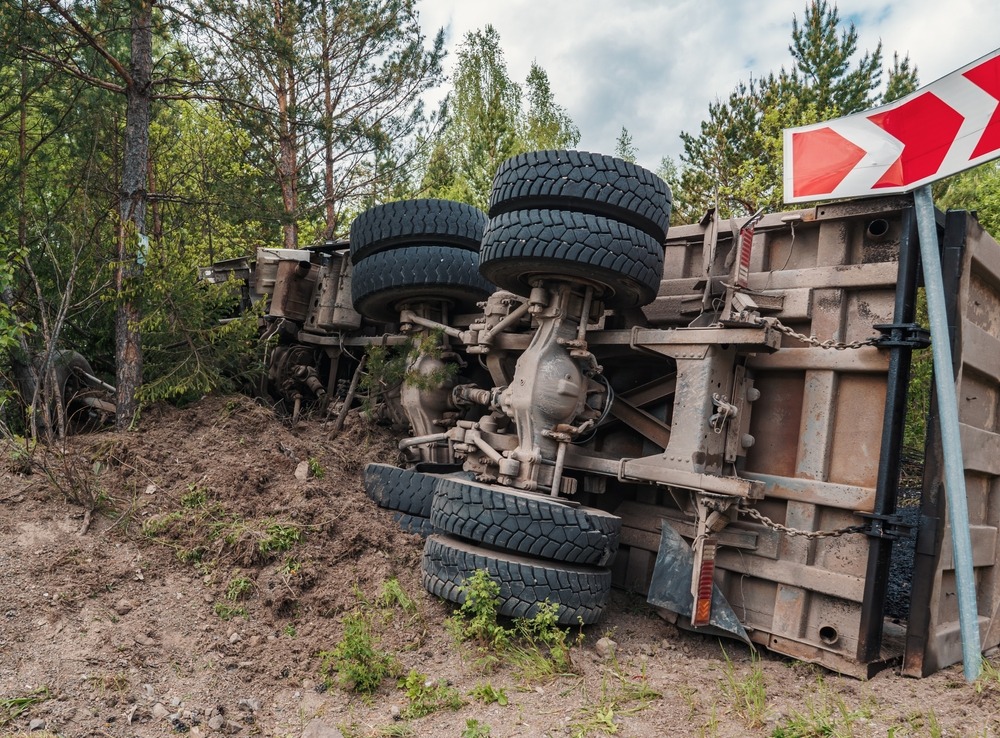
A truck moving through long highways often looks like a simple machine doing its job, but the reality behind it is far more layered than what meets the eye. Every journey is shaped by decisions made long before the wheels start rolling, from how the vehicle is checked to how the load is planned and delivered. These hidden steps quietly influence safety on the road in ways most people never notice.
Many of the causes of commercial truck accidents are not limited to a single moment but are tied to a series of choices that happen behind the scenes.
This blog explores how maintenance and logistics play a steady role in shaping responsibility when a crash is reviewed, and why these details often matter more than expected.
How Truck Maintenance Connects to Crash Responsibility
Regular inspections and road safety
Truck safety begins with routine inspections that keep the vehicle roadworthy. Even small missed checks can slowly turn into serious mechanical problems. Parts like brakes, tires, and steering systems are closely linked to how safely a truck performs on the road.
Mechanical failure as a contributing factor
When mechanical systems fail during movement, control over the vehicle can become difficult. These failures do not always appear suddenly and are often the result of wear that builds up over time. This is why maintenance history becomes an important part of understanding what went wrong.
Record keeping and accountability
Maintenance records show how often a truck was serviced and what issues were repaired. These documents help explain whether the vehicle was properly maintained before being used. In many cases, they become key evidence when reviewing responsibility.
The Role of Logistics in Truck Safety
Delivery schedules and time pressure
Logistics planning often includes strict delivery timelines. When schedules are tight, it can create pressure during long-distance travel. This pressure can influence how decisions are made while driving.
Route planning and road conditions
Choosing the right route is an important part of safe trucking operations. Poor route selection can lead vehicles into areas that are not suitable for heavy transport. Road conditions, traffic levels, and weight restrictions all play a role in safety.
Cargo loading and weight distribution
How cargo is loaded can directly affect how a truck moves on the road. Uneven weight distribution can make braking and turning less stable. This is why loading procedures are often carefully reviewed during investigations.
How Maintenance and Logistics Work Together in Accident Cases
Shared responsibility across multiple roles
Truck operations involve several teams working together. Drivers, maintenance crews, and logistics planners all contribute to how the vehicle performs. This shared system means responsibility is not always limited to one person.
Chain of decisions before the crash
A truck crash often reflects a series of earlier decisions rather than a single action. Maintenance choices and logistics planning connect together and influence how safely the vehicle operates. Investigators often look at this full chain to understand what happened.
How small issues build into bigger risks
Small delays in maintenance combined with tight delivery schedules can create unsafe conditions. When multiple minor issues overlap, they can increase the overall risk during travel. This combined effect often becomes important in fault evaluation.
Why Investigations Focus on More Than Just the Driver
Looking beyond the immediate event
A crash scene only shows the final moment of impact. Investigators study earlier events to understand what led to it. Maintenance and logistics records help reveal that background.
Importance of operational records
Service reports, inspection logs, and delivery records help build a timeline. These documents provide structure to the investigation and help explain how the vehicle was being managed before the crash.
Identifying system-level issues
Some accidents are linked to wider operational problems rather than individual mistakes. These may include planning gaps or maintenance delays. Understanding these system issues helps create a clearer picture of responsibility.
Why the Full Picture Matters in Truck Crash Cases
Truck crashes are shaped by more than what happens on the road. Maintenance ensures that vehicles are safe to operate, while logistics determine how they are used in real conditions. When both areas are not properly aligned, risks can increase in ways that are not always visible at first.
The causes of commercial truck accidents often come from a combination of mechanical conditions, planning decisions, and operational pressure. Looking at the full picture helps explain how each part of the system contributes to the final outcome, rather than focusing on a single moment alone.

Reach out for business queries.
wayhubs@gmail.com