

Key Takeaways
- Estheticians and cosmetologists play unique roles within the beauty industry, serving distinct client needs.
- Training and licensure vary considerably between the two paths, with requirements dictated by state regulations.
- Personal interests, preferred services, and desired work environments should guide your decision.
- Job outlook for both careers remains positive, reflecting growing consumer emphasis on self-care and wellness.
- Education costs and program lengths differ, impacting both time and financial investment.
Table of Contents
- Understanding the Roles
- Training and Licensing Requirements
- Scope of Practice
- Career Opportunities and Work Environments
- Salary Expectations
- Job Outlook
- Cost and Duration of Education
- Making Your Decision
Understanding the Roles
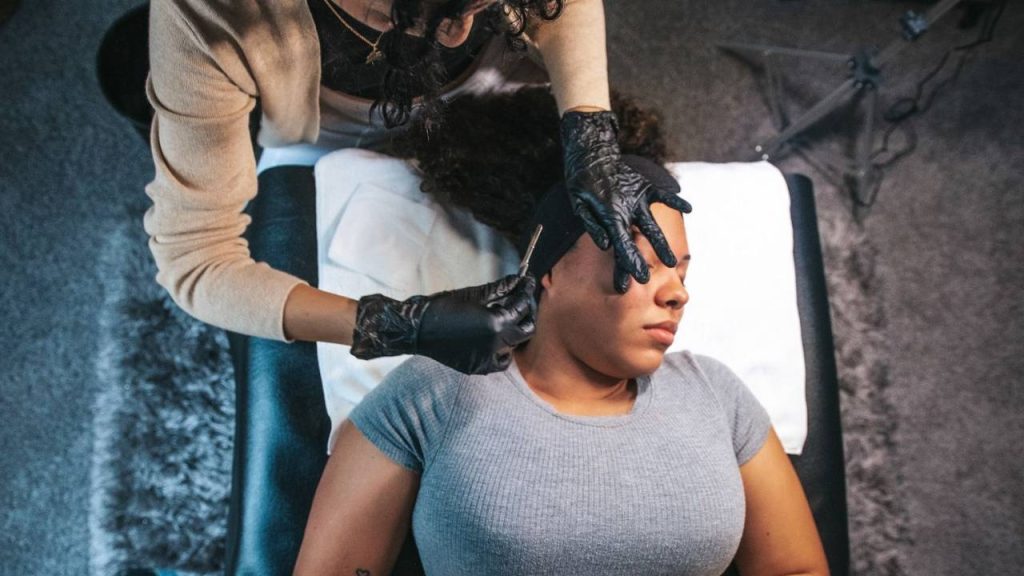
Stepping into the beauty industry presents you with exciting options, especially when choosing between a career as an esthetician or a cosmetologist. Each role offers a unique focus and distinct daily experiences. Estheticians primarily focus on skin health, offering services such as facials, exfoliation, hair removal, and advanced skin treatments. In contrast, cosmetologists are trained in a diverse menu of beauty services, including hair cutting, coloring, styling, nail services, and basic skin care.
If you are trying to understand which career aligns with your interests, consider exploring cosmetology vs esthetician and the types of client outcomes you wish to facilitate. While both routes equip you to make a significant impact in the personal care field, the day-to-day activities and focus areas can differ significantly.
Training and Licensing Requirements
The journey to becoming an esthetician or cosmetologist is shaped by the number of training hours and licensing exams required by your state. As a general rule, cosmetology programs require a more comprehensive curriculum because of the wide range of services permitted under the license. For instance, California mandates 600 hours for estheticians, compared to 1,000 hours for cosmetologists. In Illinois, the numbers are higher: estheticians need 750 hours and cosmetologists 1,500 hours of training.
Because requirements vary widely by location, checking with your state’s board of cosmetology is vital. You can also review resources from the National Center for Education Statistics, which often outlines specific requirements by state and institution.
Scope of Practice
When envisioning your future, think about the beauty services that genuinely inspire you. Estheticians immerse themselves in skincare and treatments such as chemical peels, microdermabrasion, and waxing, evolving into experts in healthy, glowing skin. Cosmetologists, on the other hand, are multi-disciplinary professionals capable of providing hair, nail, and some basic skincare services. If you have a creative flair for hair or love the intricate artistry of nail design, cosmetology may be your calling. If you are drawn more to skin health and relaxation therapies, esthetics is likely the path for you.
Career Opportunities and Work Environments
The versatility of both professions opens doors to varied and dynamic work environments. Estheticians are often found in spas, wellness centers, dermatology clinics, and medspas, sometimes working alongside medical professionals to complement dermatological care. In contrast, cosmetologists tend to thrive in bustling beauty salons, boutique hair studios, and nail salons, but also have opportunities in fashion, film, or even forensics.
Entrepreneurs can choose either route and carve out a niche as a salon owner or an independent specialist. Those with considerable experience or business acumen may expand to teach or develop their own product lines, increasing both job satisfaction and financial rewards. You can read more about diversification in beauty careers from resources like Forbes’ industry career guide.
Salary Expectations
Several factors, such as location, reputation, specialization, and customer loyalty, influence earnings for estheticians and cosmetologists. According to recent Bureau of Labor Statistics statistics, skincare specialists (estheticians) earn a median hourly wage of $17.93, while hairdressers, hair stylists, and cosmetologists earn a median hourly wage of $14.26. Those who invest in continuing education, pursue advanced certifications, or build a dedicated client following can significantly boost their income. Additionally, professionals working in affluent locations or for high-end spas and salons may earn above-average wages.
Job Outlook
The beauty industry continues to grow robustly. Employment for estheticians is projected to rise 9 percent from 2022 to 2032, outpacing average job growth across most industries. For barbers, hairstylists, and cosmetologists, employment is expected to grow 8 percent in the same period. This increasing demand stems from a heightened focus on personal wellness, new treatment innovations, and the enduring importance society places on appearance and self-expression industry trends such as clean beauty, non-invasive treatments, and holistic wellness promise further evolution and opportunity.
Cost and Duration of Education
Investing in your education is a significant decision, and the financial and time commitments differ between esthetics and cosmetology programs. Esthetician programs are more concise, typically spanning 4 to 6 months and costing between $5,000 and $15,000, depending on the school and state. Cosmetology courses are more extensive, usually requiring 9 to 12 months to complete and costing $10,000 to $20,000 in many cases. Financial aid and scholarships may be available, so it’s wise to consult with your chosen institution’s admissions office for detailed guidance.
Making Your Decision
The decision between becoming an esthetician or cosmetologist hinges on your passions and professional goals. Consider the services you enjoy most, the training time you can commit to, and the environments where you see yourself thriving. Analyze job availability in your area and research regulations closely, as state laws may influence your options. Whether you opt for esthetics or cosmetology, you’ll find a rewarding journey full of creative and personal fulfillment, along with ample paths for growth and lifelong learning in the beauty industry.

Reach out for business queries.
wayhubs@gmail.com