

Key Takeaways
- Interactive activities boost student engagement and comprehension.
- Incorporating technology and hands-on projects caters to a diverse range of learning styles.
- Creative approaches to traditional subjects make learning more enjoyable.
Keeping fourth graders engaged calls for an imaginative blend of fun and purposeful learning. At this pivotal stage, fostering curiosity and enthusiasm can make a remarkable difference in student motivation and achievement. By weaving together creative instruction and interactive strategies, teachers can foster a lasting love of learning that extends well beyond the classroom. For ideas that stimulate both writing and critical thinking, explore these innovative 4th grade writing activities to complement your lesson plans and keep students exploring new topics with excitement.
When educators strive to make lessons memorable, students are more likely to internalize concepts and apply them to real-world situations. Every classroom is unique, but the principles of engagement variety, collaboration, and creativity remain constant. From hands-on projects to technology-enhanced lessons, the methods showcased below are designed to spark participation and deepen understanding for all types of learners.
Interactive Storytelling Sessions
Storytime becomes far more impactful when students take on active roles within the narrative. Encouraging students to act out scenes or narrate from the point of view of a character not only strengthens reading comprehension but also builds confidence and presentation abilities. Interactive storytelling helps students connect emotionally with literature, making complex texts more meaningful and memorable. This immersive approach was found to increase participation and enthusiasm in real classrooms, such as Ms. Taylor’s fourth-grade class.
Hands-On Science Experiments
Moving science off the page and into students’ hands demystifies even the trickiest concepts. Simple experiments, like creating solar ovens with foil and pizza boxes, or rubbing balloons on hair to explore static electricity, transform abstract ideas into tangible discoveries. Engaged in these hands-on activities, students hone observational skills and scientific thinking. At Sunnyvale School, incorporating regular hands-on science increased interest and fostered a spirit of inquiry in young learners.
Math Puzzles and Games
Making math playful can be as simple as introducing puzzles, logic problems, and quick group games into your lesson plan. For example, “Fast Four” challenges students to list four-letter words in different categories, combining critical thinking with healthy competition. Games like these not only reinforce core math skills, but also show students that math is more than just worksheets it’s a fun mental challenge.
Creative Arts Integration
Integrating arts into core subjects can unlock new perspectives for young learners. Have students create geometric patterned art to reinforce understanding of shapes, symmetry, and spatial relationships. This fusion of artistic creativity with mathematical logic not only aids retention but also provides students with an outlet to express themselves visually while mastering academic content. Projects can be tied to seasons, historical topics, or key math concepts, aligning with curriculum goals and personal interests.
Technology-Based Learning
Digital platforms can transform traditional lessons into interactive explorations. Tools like SPARC offer narrative-driven gameplay, where students solve problems with the help of AI-powered virtual peers. When technology is thoughtfully integrated into instruction, students become more invested and confident in STEM subjects. Early pilots using SPARC technology found a measurable increase in participation and self-directed inquiry, reflecting the digital readiness of today’s learners.
Group Projects and Collaborative Learning
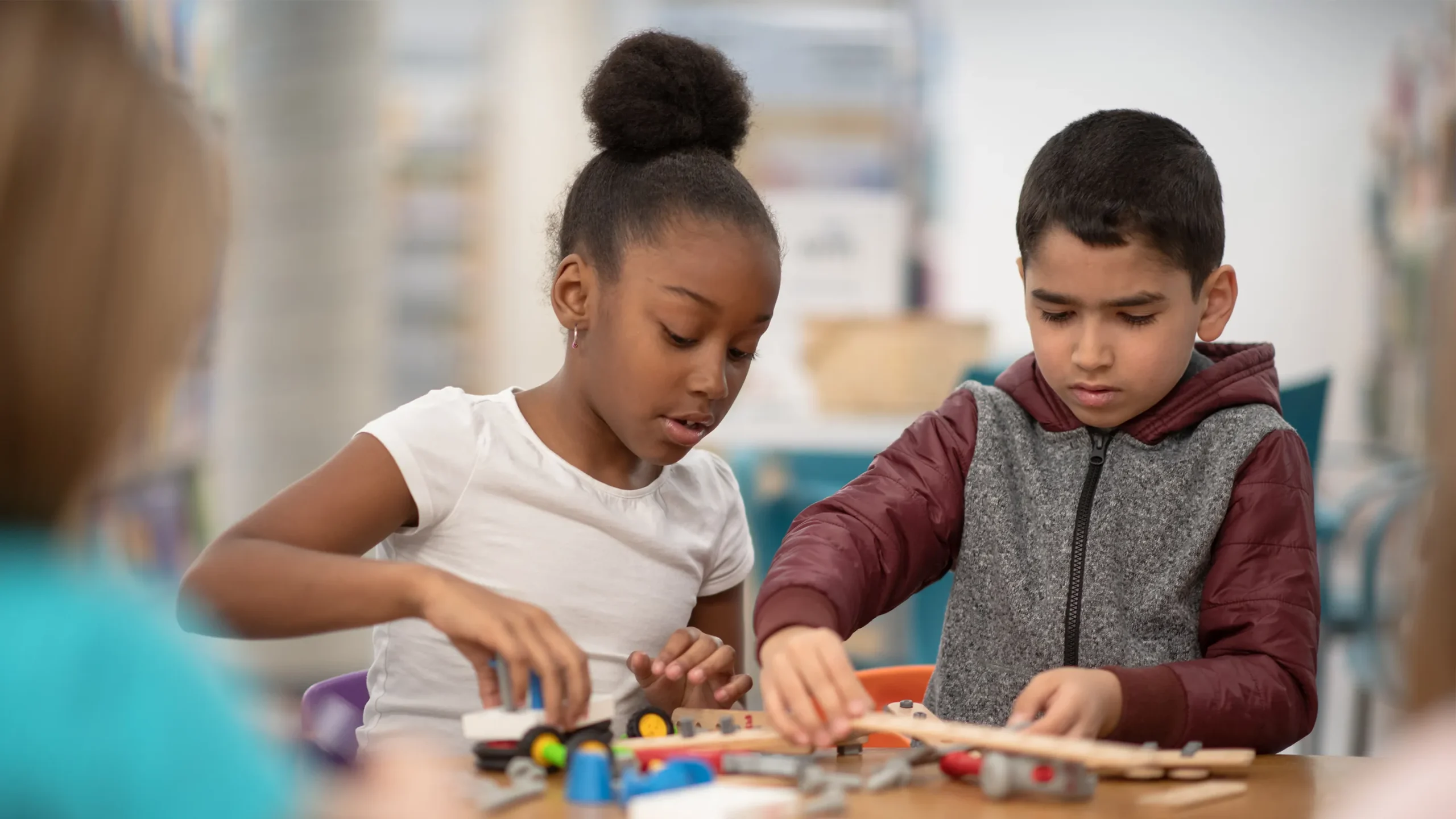
Group activities promote collaboration, communication, and critical thinking skills. Assign tasks that require students to build, experiment, or present together. Building a bridge from simple craft materials or delivering a group presentation on a science topic encourages teamwork and helps students learn to share responsibilities. These projects foster a sense of community in the classroom and prepare students for collaborative work in future learning environments.
Real-World Applications
Attaching real-life meaning to lessons helps children understand why they’re learning particular concepts. For math, using coins and bills to practice decimal skills brings the abstract into the familiar. Budgeting activities, mock shops, or classroom banks can help cement the connection between decimals and money management. These types of practical exercises empower students to see the “why” behind the “what,” supporting long-term retention and genuine skill-building.
Celebratory Learning Events
Special events like the “4th Day of 4th Grade” offer students memorable experiences beyond routine. Plan a themed day with math, storytelling, and contests on “four” to celebrate milestones. These events combine learning and fun, fostering positive learning memories. Using interactive and varied activities keeps students engaged. A balance of lessons and creative tasks helps fourth graders build confidence, teamwork, and enthusiasm for school.
Conclusion
Engaging fourth graders through interactive storytelling, hands-on experiments, games, arts integration, and technology creates a dynamic and memorable learning experience. By connecting lessons to real-world applications, promoting collaboration, and celebrating achievements, students not only develop academic skills but also gain confidence, creativity, and a love of learning. When education is immersive, playful, and meaningful, children are more motivated to explore, question, and apply knowledge—building a strong foundation for lifelong curiosity and success in both academics and everyday life.

Reach out for business queries.
wayhubs@gmail.com