

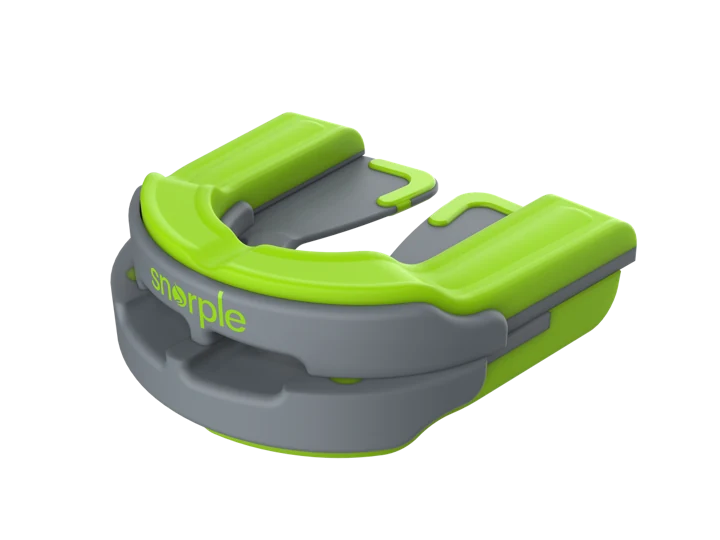
Snoring is a common sleep problem that affects millions of adults and can disturb both the person snoring and their sleeping partner. It often happens when airflow becomes restricted and soft tissues in the upper airway vibrate during sleep. Finding the best anti-snoring mouthpieces can help some people manage nighttime snoring and improve their sleeping environment. However, choosing the right device requires understanding how different mouthpieces work, how they fit, and what makes them comfortable.
Anti-snoring devices come in several designs, including mandibular advancement devices, tongue-stabilizing mouthpieces, and custom dental appliances. Some products are available directly to consumers, while others require professional fitting. Understanding their features, limitations, and proper use helps buyers make informed choices before purchasing.
How Anti-Snoring Mouthpieces Work During Sleep
Anti-snoring mouthpieces are designed to change the position of the lower jaw or tongue while a person sleeps. Snoring often happens when relaxed tissues around the throat partly narrow the upper airway. As air passes through the restricted space, these tissues may vibrate and create snoring sounds. Certain oral appliances help reduce this narrowing by gently positioning the lower jaw or tongue forward. Their effectiveness depends on the cause of snoring, individual anatomy, and proper fitting.
People comparing different devices should understand that mouthpieces do not all work in the same way. Some focus on jaw movement, while others concentrate on tongue position. Comparison websites such as SnoringMouthGuard provide information about anti-snoring mouthpieces, fitting methods, product features, and purchasing considerations. Reviewing different designs can help consumers identify which options may suit their needs, although a medical evaluation remains important when sleep apnea is possible.
Types of Best Anti-Snoring Mouthpieces Available
Mandibular advancement devices, commonly called MADs, are among the most widely used oral appliances for snoring. They work by holding the lower jaw slightly forward during sleep. This position can help create more space behind the tongue and reduce airway vibration. Some models include adjustable settings that allow users to change the amount of forward movement. Others use a fixed position or a heat-molded fitting system. Comfort, dental condition, and jaw movement are important factors when selecting this type of appliance.
Tongue-stabilizing devices, sometimes called TSDs or tongue-retaining devices, use a different method. They help keep the tongue in a forward position to reduce the chance of it falling backward during sleep. These devices may appeal to certain people who cannot comfortably use jaw-advancing appliances. However, suitability depends on individual needs, and evidence varies between device types. Some products combine jaw advancement with tongue stabilization, offering another design for buyers to consider.
Snorple Complete System Review and Product Features
The Snorple Complete System is one of the anti-snoring products featured in online mouthpiece comparisons. Its main feature is a dual-action mouthpiece designed to combine mandibular advancement with tongue stabilization. The device aims to position the lower jaw forward while also supporting tongue placement. The system includes an additional chin strap, which is intended to provide support around the jaw. Buyers should understand that the strap is a separate accessory and that its benefits may vary between individuals.
People researching this product can explore the Snorple Complete system review and related buying guides to understand its construction, fitting process, and differences from the standalone Snorple mouthpiece. The complete package includes the mouthpiece and chin strap, while the standalone version contains the mouthpiece without the additional strap. Comparing these options helps consumers decide whether the extra accessory matches their sleeping habits and personal preferences.
How to Choose the Right Anti-Snoring Mouthpiece Fit
Proper fitting is essential when selecting an oral appliance because an uncomfortable mouthpiece can disturb sleep and place unnecessary pressure on the teeth or jaw. Some over-the-counter products use a boil-and-bite fitting method. Users soften the fitting material in warm water according to the manufacturer’s instructions and gently mold it to their teeth. This process can create a more personalized fit than a standard ready-to-use design. However, incorrectly fitting a mouthpiece may cause discomfort, gum irritation, or problems with jaw positioning.
Adjustable mouthpieces offer another fitting option by allowing changes to the forward position of the lower jaw. These adjustments should follow the manufacturer’s instructions or guidance from a qualified dental professional. Moving the jaw too far forward may increase discomfort rather than improve results. People with missing teeth, dental restorations, gum problems, or jaw joint conditions should seek professional advice before using an oral appliance. A suitable device should feel secure without causing ongoing pain or making breathing difficult.
Comparing Anti-Snoring Mouthpieces Before Buying
Choosing the best anti-snoring mouthpieces involves more than checking prices or product ratings. Buyers should compare fitting methods, materials, adjustability, cleaning requirements, and possible side effects. A lower-priced product may appear attractive, but it might not provide the fit or flexibility that a particular user needs. Similarly, an expensive device is not automatically more comfortable or more effective. Product descriptions and manufacturer instructions should clearly explain how the mouthpiece works and what limitations users should expect.
Independent comparison resources can make the selection process easier by presenting product information in one place. SnoringMouthGuard compares devices such as Snorple, SnoreRx, ZQuiet, VitalSleep, PureSleep, and other anti-snoring mouthpieces. Its guides discuss design differences, comfort considerations, fitting methods, advertised trial periods, and return policies. Consumers should confirm current prices and return conditions directly before buying because these details may change. They should also recognize that affiliate-supported reviews may earn commissions from qualifying purchases.
Anti-Snoring Mouthpieces and Sleep Apnea: Important Differences
Snoring and obstructive sleep apnea are related, but they are not the same condition. Simple snoring involves sound caused by vibrating airway tissues. Obstructive sleep apnea occurs when breathing repeatedly becomes blocked or reduced during sleep. Warning signs can include loud snoring, observed breathing pauses, gasping during sleep, morning headaches, and excessive daytime sleepiness. A person may have sleep apnea without realizing it, which makes professional evaluation important when these symptoms appear.
The American Academy of Sleep Medicine recommends oral appliance therapy as one option for adults with primary snoring after appropriate medical evaluation. For people diagnosed with obstructive sleep apnea, professionally fitted, adjustable oral appliances may be considered in suitable cases, especially when CPAP treatment is not tolerated or an alternative is preferred. A qualified dentist should oversee oral appliance treatment, while a sleep physician evaluates treatment effectiveness. Over-the-counter mouthpieces should not be treated as a substitute for sleep apnea diagnosis or prescribed medical care.
Cleaning, Maintenance, and Comfort Tips for Mouthpiece Users
Regular cleaning is important because oral appliances remain in contact with saliva, teeth, and gums during sleep. Without proper care, mouthpieces can collect bacteria, unpleasant odors, and deposits. Users should follow the manufacturer’s cleaning instructions and rinse the appliance as directed after each use. Some products allow gentle brushing with suitable cleaning solutions, while others require special cleaning tablets. Hot water should be avoided unless the manufacturer specifically recommends it because excessive heat may damage certain materials or change the device’s shape.
New users may notice temporary changes in saliva production, mild pressure, or an unfamiliar feeling during the first few nights. However, persistent jaw pain, tooth movement, gum irritation, or bite changes should not be ignored. Users should stop using an uncomfortable device and consult a dental professional if these problems develop. Regular dental checkups are especially helpful for people who use oral appliances over long periods. Proper storage in a clean, ventilated case can also help protect the mouthpiece when it is not being worn.
Healthy Sleep Habits That May Help Reduce Snoring
Anti-snoring mouthpieces may work better when combined with healthy sleeping habits that address other factors contributing to snoring. Sleeping on the side instead of the back may reduce snoring for some individuals because body position affects how the tongue and soft tissues rest around the airway. Maintaining a healthy weight can also help when excess tissue contributes to airway narrowing. Avoiding alcohol close to bedtime may reduce throat muscle relaxation that can make snoring more noticeable.
Good sleep routines support overall rest and may help reduce sleep disruptions. Keeping a regular bedtime, managing nasal congestion, and maintaining a comfortable sleeping environment are useful habits. People should also avoid taking sedating medicines solely to improve sleep without medical advice, particularly when breathing problems are suspected. Although lifestyle changes can help certain people, they do not replace medical treatment for obstructive sleep apnea. Combining suitable habits with professional guidance provides a more responsible approach to managing persistent snoring.
What US Buyers Should Know About Anti-Snoring Devices
Consumers in the United States can find anti-snoring mouthpieces through manufacturers, online retailers, and dental professionals. Before purchasing, it is important to understand the intended use of the product and whether it is designed for simple snoring or professionally managed sleep apnea. Buyers should review the device’s materials, sizing instructions, fitting

Reach out for business queries.
wayhubs@gmail.com