

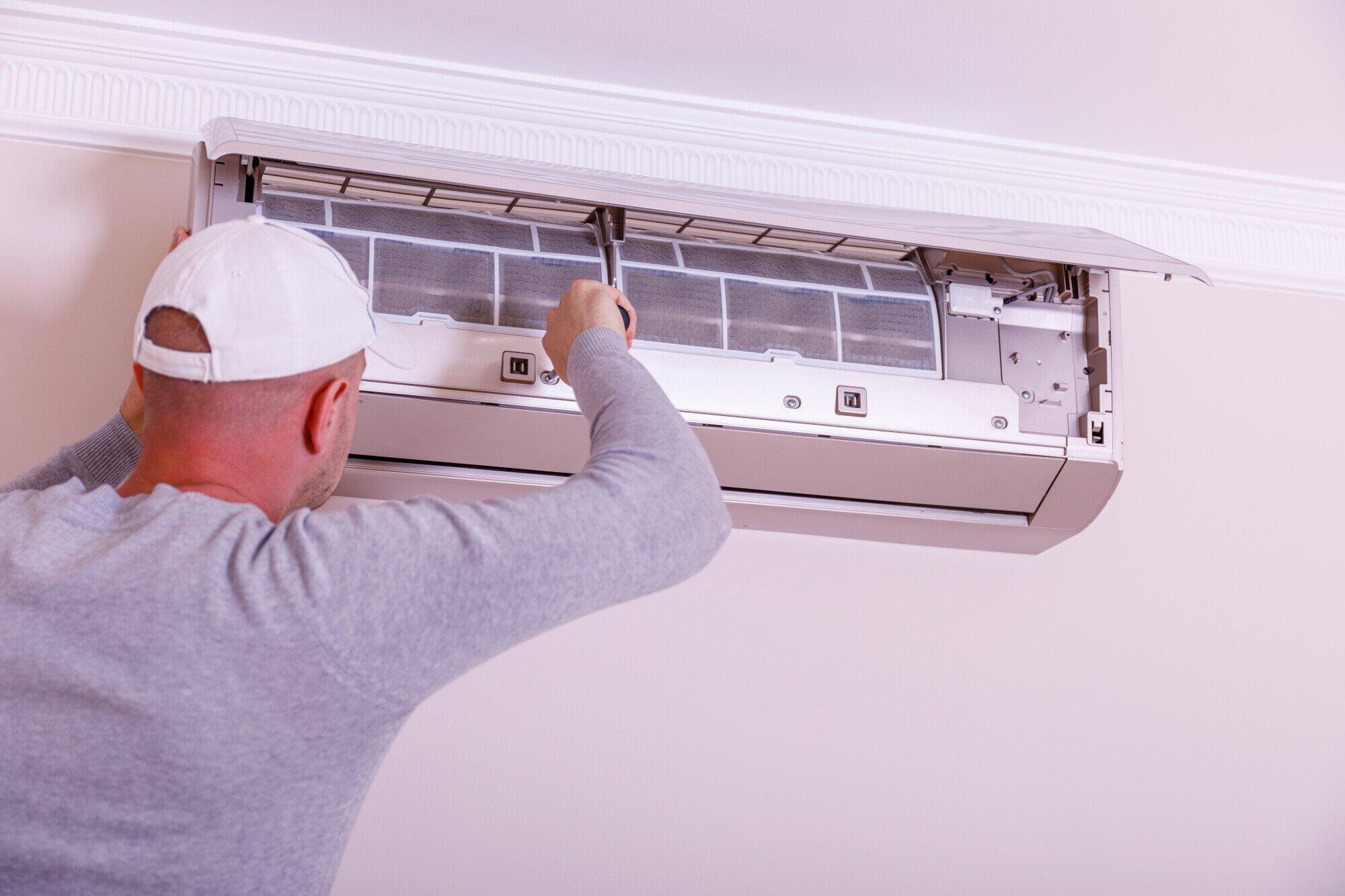
Your HVAC system plays a major role in keeping your home comfortable throughout the year. It keeps you cool during hot summers and warm during cold winters. Most homeowners depend on their HVAC system every day without thinking much about it. However, like any other machine, it can develop problems over time.
Many HVAC issues start small. At first, they may seem harmless or easy to ignore. But if these signs are not addressed early, they can turn into serious and costly repairs. A poorly functioning HVAC system can also increase energy bills, reduce indoor comfort, and lower air quality inside the home.
Below are some common signs that your HVAC system may need professional attention.
Weak Airflow From Vents
Weak airflow is one of the most common signs of HVAC trouble. If air is barely coming out of your vents, your system may not be working properly. Several issues can cause this problem. Dirty air filters can block airflow. Damaged ductwork can also prevent air from moving through the system. In some cases, the blower motor may be failing.
Poor airflow can make rooms feel uncomfortable. It also forces your HVAC system to work harder than normal. This extra strain can increase wear and tear on the unit. A professional technician can inspect the system and identify the exact cause of the issue. Many homeowners first notice weak airflow in rooms that are farther away from the HVAC unit.
Some vents may blow cool or warm air normally, while others barely push air at all. This uneven airflow can create discomfort throughout the home and make it difficult to maintain a stable indoor temperature. Weak airflow can also affect sleep quality and daily comfort. During very hot or cold weather, poor airflow may prevent certain areas from reaching the desired temperature. This can make family members rely on portable heaters or fans, which may increase energy use even more.
Strange Noises During Operation
HVAC systems usually make a low and steady sound while running. Loud or unusual noises often indicate a problem. You may hear banging, grinding, rattling, squealing, or buzzing sounds. These noises can come from loose parts, worn belts, motor problems, or damaged components inside the unit.
Ignoring strange sounds can lead to more serious damage over time. A small issue can quickly turn into a major repair if left untreated. Professional service can help stop the problem before it gets worse. Different sounds may point to different mechanical issues. For example, a grinding sound may suggest motor bearing problems, while rattling noises can indicate loose screws or panels. A squealing sound may come from a worn belt or fan motor issue.
Rising Energy Bills
A sudden increase in energy costs is another warning sign. HVAC systems that are not working efficiently often use more electricity or gas. Dirty filters, leaking ducts, old parts, and low refrigerant levels can all reduce efficiency. As the system struggles to maintain the desired temperature, it consumes more energy.
If your utility bills continue to rise without a clear reason, your HVAC system may need inspection and maintenance. Regular service can improve energy efficiency and lower monthly costs. Many people do not realize how much energy an inefficient HVAC system can waste. Heating and cooling systems are usually responsible for a large portion of household energy use. Even a small issue can have a noticeable impact on utility bills.
An HVAC system that runs longer than necessary may also experience more wear and tear. This can increase the risk of breakdowns and shorten the life of the equipment.
Uneven Temperatures Around the Home
Some rooms may feel too warm while others stay too cold. Uneven temperatures often mean your HVAC system is having trouble distributing air properly.
Blocked vents, leaking ducts, thermostat issues, or poor insulation can contribute to this problem. In some cases, the HVAC system may be too small or too old for the home. Consistent indoor comfort is important for any household. A professional can evaluate the system and recommend the right solution.
Temperature differences can become more noticeable during extreme weather conditions. Upstairs rooms may feel hotter during summer, while lower levels may remain cooler. This imbalance can make daily living uncomfortable for the entire family. Poor airflow and damaged ductwork are common reasons for uneven temperatures. Air may escape before reaching certain rooms, making the HVAC system work harder than necessary.
Bad Odors Coming From the System
Unpleasant smells should never be ignored. Different odors can point to different HVAC problems.
A musty smell may indicate mold growth in the ductwork or unit. Burning odors could mean electrical issues or overheating components. Rotten smells may suggest pest problems inside the system.
These odors can affect indoor air quality and even create health concerns for your family. Professional cleaning and inspection can help remove the source of the smell safely. Musty odors are especially common in systems with excess moisture buildup. Mold and mildew can spread through air ducts and affect the air circulating inside the home. This may trigger allergies, coughing, or breathing discomfort.
Burning smells should always be taken seriously. Electrical problems inside the HVAC system can create fire risks if ignored. Turning off the unit and contacting a professional quickly is often the safest response.
Frequent Cycling
Your HVAC system should go through normal heating or cooling cycles. If it constantly turns on and off, there may be a problem.
Frequent cycling can happen because of a dirty filter, thermostat malfunction, clogged coils, or an oversized system. Short cycling puts extra stress on the equipment. It can also shorten the lifespan of the unit and increase energy usage.
A trained technician can diagnose the issue and restore normal operation. Frequent cycling may seem minor at first, but it can become a serious issue over time. Constant stopping and starting place pressure on important HVAC components. Motors and compressors may wear out more quickly under these conditions.
Short cycling can also make indoor temperatures less comfortable. The system may shut off before reaching the desired temperature, causing uneven cooling or heating. A professional inspection can help determine whether the problem is caused by electrical issues, airflow restrictions, or incorrect system sizing. Proper repairs can improve efficiency and reduce stress on the equipment.
Poor Indoor Air Quality
Your HVAC system affects the air you breathe every day. If you notice more dust, allergies, or dry air indoors, your system may need attention.
Dirty filters and ducts can spread dust and pollutants through the home. Moisture problems can also encourage mold growth. Poor air quality can trigger allergies and respiratory problems. This is especially important for children, seniors, and people with asthma.
Regular maintenance helps keep indoor air cleaner and healthier. Indoor air quality can affect comfort, health, and overall well-being. Dust buildup inside ducts and vents may circulate continuously if the system is not cleaned properly.
Pet hair, pollen, bacteria, and other airborne particles can also collect inside HVAC systems over time. Without proper filtration, these contaminants may spread throughout the home.
Water Leaks Around the Unit
Water pooling around your HVAC system is never a good sign. Moisture problems can damage floors, walls, and nearby materials.
Clogged condensate drains are a common cause of leaks. Refrigerant leaks may also create moisture issues. Ignoring leaks can lead to mold growth and costly water damage. A professional should inspect the system quickly to prevent further problems.
Water leaks may appear small at first, but they can create serious structural damage if ignored for too long. Moisture can weaken walls, damage flooring, and create conditions for mold growth.
Some leaks are caused by frozen evaporator coils. When the ice melts, excess water can collect around the unit. Dirty filters and airflow problems often contribute to frozen coils.
Professional repairs can help identify the exact source of the leak and prevent additional damage. Fast action can save homeowners from expensive repairs in the future.
Thermostat Problems
Sometimes the HVAC system itself is not the main problem. The thermostat may be malfunctioning instead.
If the temperature reading seems inaccurate or the system does not respond correctly, the thermostat may need repair or replacement. Modern thermostats help control comfort and energy usage. When they fail, your system may run too often or not enough.
An HVAC professional can test the thermostat and ensure it works properly with the system. Thermostat issues can create confusion for homeowners because the HVAC system may appear to be malfunctioning even when the main equipment is fine.
Incorrect temperature readings may cause the system to heat or cool at the wrong times. This can lead to discomfort and higher energy bills. Upgrading to a programmable or smart thermostat may improve efficiency and convenience. Professional installation ensures the thermostat communicates properly with the HVAC equipment.
The System Is More Than 10 Years Old
Older HVAC systems naturally lose efficiency over time. Even with regular maintenance, parts wear out as the system ages.
Many HVAC units last around 10 to 15 years. If your system is older, it may require more frequent repairs and use more energy than newer models.
An aging system may still operate, but it may not perform efficiently. Professional inspections can help determine whether repair or replacement is the better option.
Older systems often struggle to maintain consistent temperatures during extreme weather. They may run longer than normal and require more repairs each year.
Technology has improved greatly in modern HVAC systems. Newer units are usually more energy efficient and environmentally friendly than older models.
A professional technician can compare repair costs with replacement benefits. In some cases, upgrading to a newer system may save money over time through lower utility bills and fewer repairs.
Excess Humidity Inside the Home
Your HVAC system should help regulate indoor humidity levels. If your home feels sticky or damp, the system may not be functioning correctly.
High humidity can make indoor spaces uncomfortable. It can also encourage mold growth and damage wood furniture or flooring.
Cooling systems that are low on refrigerant or have airflow issues may struggle to remove moisture from the air. Professional servicing can improve both comfort and humidity control.
Refrigerant Issues
Refrigerant is essential for cooling your home. Low refrigerant levels can prevent your air conditioner from working properly. Signs of refrigerant problems include warm air from vents, frozen coils, and reduced cooling performance.
Refrigerant leaks should always be handled by trained professionals. These chemicals require proper handling and repair procedures. A technician can locate the leak, repair it, and recharge the system safely.
Delayed Heating or Cooling
Your HVAC system should respond quickly when you adjust the thermostat. If it takes a long time to heat or cool the home, there may be a problem.
Dirty components, aging equipment, or airflow restrictions can slow system performance. Delayed temperature control can make your home uncomfortable and increase energy consumption.
Scheduling service early can help restore fast and reliable operation.
Constant Repairs
Every HVAC system may need occasional repairs. However, frequent breakdowns are a sign that something is wrong. Repeated repairs can become expensive over time. In many cases, ongoing issues indicate that the system is nearing the end of its lifespan.
If you constantly call for repairs, it may be time for a full inspection from a trusted HVAC company in Carrollton. An expert can evaluate whether continued repairs are worth the cost.
Lack of Regular Maintenance
Many homeowners forget to schedule regular HVAC maintenance. Skipping maintenance can allow small issues to go unnoticed.
Routine inspections help technicians identify worn parts, dirty components, and potential problems early. Maintenance also improves efficiency and extends the life of the system.
Without regular service, HVAC systems are more likely to break down unexpectedly. Annual professional maintenance can save money and improve long-term performance.
ExploreSigns Your HVAC System Needs Professional Service
Your HVAC system is essential for maintaining comfort, safety, and healthy indoor air. When problems appear, it is important to address them early before they become larger and more expensive.
Signs like weak airflow, strange noises, rising energy bills, uneven temperatures, and frequent cycling should never be ignored. Water leaks, poor air quality, and humidity problems can also indicate that professional service is needed.
Regular inspections and maintenance help keep your HVAC system running efficiently throughout the year. Professional technicians can identify hidden problems, improve performance, and prevent costly breakdowns.
If you’d like to learn more, check out more articles on our blog.

Reach out for business queries.
wayhubs@gmail.com