

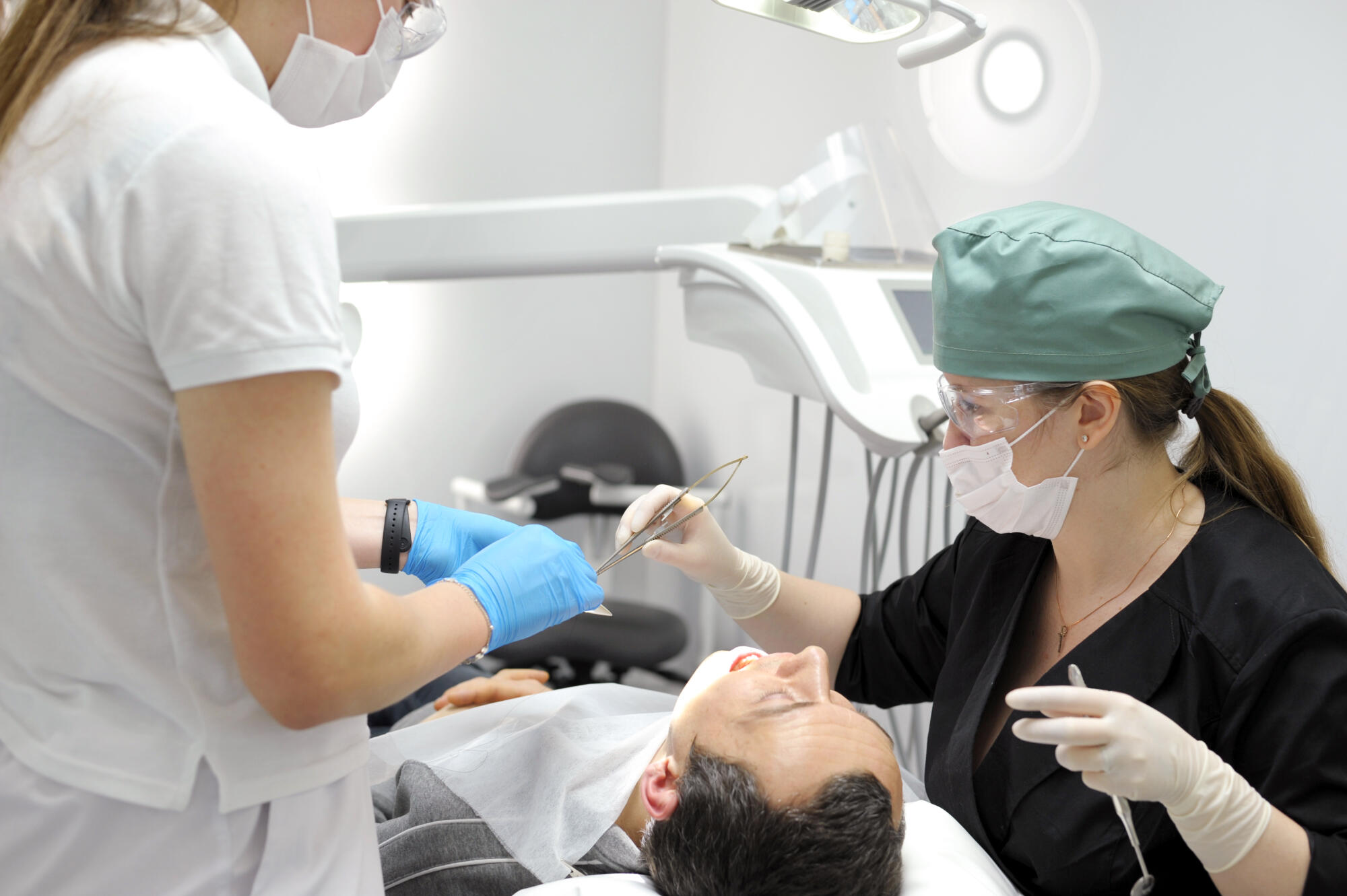
Tooth pain has a habit of showing up at the worst possible time, whether that’s a Friday evening or right before a holiday. The real challenge is determining whether a symptom needs attention right now or can wait until Monday. Most people lean toward waiting, hoping things settle on their own. Unfortunately, that hesitation often turns a manageable problem into something much harder to treat. Knowing which signs call for urgent care makes all the difference in protecting long-term oral health.
How Urgent Dental Problems Differ from Routine Issues
A tooth that feels slightly sensitive after a sip of ice water rarely needs a same-day appointment. True dental emergencies look different. They involve intense pain, bleeding that refuses to stop, or visible structural damage that gets worse with each passing hour.
Clinics that provide emergency dental Las Vegas services exist specifically for these time-critical situations, often staying open outside regular business hours. Patients who can tell the difference between a routine concern and a genuine crisis save themselves unnecessary panic while also getting faster help for the problems that truly need it.
Persistent, Severe Pain That Does Not Subside
Biting down on something hard and feeling a brief sting is fairly normal. What isn’t normal is a deep, pulsing ache that hangs around for hours and keeps getting worse. That kind of oral pain usually points to an abscess, a fracture running deep into the tooth, or a nerve that has become exposed. Pain relievers might take the edge off temporarily, but they do nothing to fix what’s actually going on beneath the surface.
When Pain Radiates to the Jaw or Ear
Once discomfort starts spreading beyond the affected tooth, the situation becomes more pressing. Aching along the jawline or a feeling of fullness near the ear canal often means the infection has begun to spread into the surrounding tissue. At that stage, the problem has grown past what a standard filling or crown can resolve.
A Knocked-Out or Loosened Tooth
Losing a permanent tooth gives a person very little time to act. Dental professionals generally agree that reimplantation is most effective within 30 to 60 minutes of the injury. Picking the tooth up by its crown (never the root), keeping it moist in milk or saliva, and getting to a clinic without delay are the three most important steps.
A tooth that feels wobbly after a blow deserves the same urgency. Without prompt stabilization, the bone and ligaments holding it in place can break down, making future restoration significantly harder.
Uncontrollable Bleeding from the Mouth
Gums that bleed a little during brushing are usually a sign of early gum disease, not a crisis. Heavy, steady bleeding after a fall, a sports collision, or a recent extraction is a completely different matter. If firm pressure with gauze fails to slow the flow within 15 to 20 minutes, professional care is necessary. Prolonged oral haemorrhaging may indicate a damaged vessel or an underlying clotting issue.
Swelling That Spreads Rapidly
Puffiness around the gums or face that visibly worsens over a few hours almost always signals infection. A dental abscess, left unchecked, can spread bacteria into the bloodstream, creating health risks that go far beyond the mouth. Fever, difficulty swallowing, or labored breathing alongside that swelling all make the situation considerably more serious.
Signs of a Dental Abscess
A small, pus-filled bump along the gum line is one of the clearest red flags. A persistent foul taste and steady throbbing pain typically accompany it. Abscesses will not heal without clinical intervention; they generally require a course of antibiotics combined with professional drainage to stop the infection from spreading further.
Broken or Fractured Teeth Exposing Inner Layers
A cosmetic chip on the edge of a front tooth can reasonably be left for a couple of days. A crack deep enough to expose the pulp (the soft tissue containing nerves and blood vessels) cannot. Once bacteria reach that inner chamber, infection becomes highly likely, and the risk of losing the tooth altogether climbs quickly.
Rinsing with lukewarm water and holding a cold compress against the outside of the cheek can offer short-term relief. Even so, professional treatment should follow within hours rather than days.
Objects Lodged Between Teeth
Every so often, a piece of food or a small foreign body gets wedged tightly between teeth and refuses to come free with regular flossing. Reaching for sharp household tools to pry it loose is a recipe for cut gums or cracked enamel. If gentle flossing does not work, a dental professional can safely remove the object without causing collateral damage.
Conclusion
The common thread running through every dental emergency is simple: delay makes things worse. Relentless pain, a tooth that has been knocked free, bleeding that will not quit, and swelling that keeps growing all demand prompt professional attention. Learning to recognize these signals helps people act before a treatable condition turns into a costly, complicated one. Saving an after-hours dental contact in a phone ahead of time is a small effort that can matter enormously during a stressful moment.

Reach out for business queries.
wayhubs@gmail.com