

Table of Contents
- AI-Powered Air Conditioners
- Smart Thermostats
- Energy-Efficient Heat Pumps
- Passive Cooling Technologies
- Integrated Smart Home Systems
- Future Trends in Smart Cooling
Keeping a house cool is no longer just about comfort; it is also about energy efficiency and intelligent automation. As modern homeowners face longer, hotter summers and rising utility costs, investing in sophisticated solutions that combine convenience with sustainability is more important than ever. One of the most effective upgrades is to install central air in your Toronto home, which instantly elevates comfort while preparing your space for smart automation.
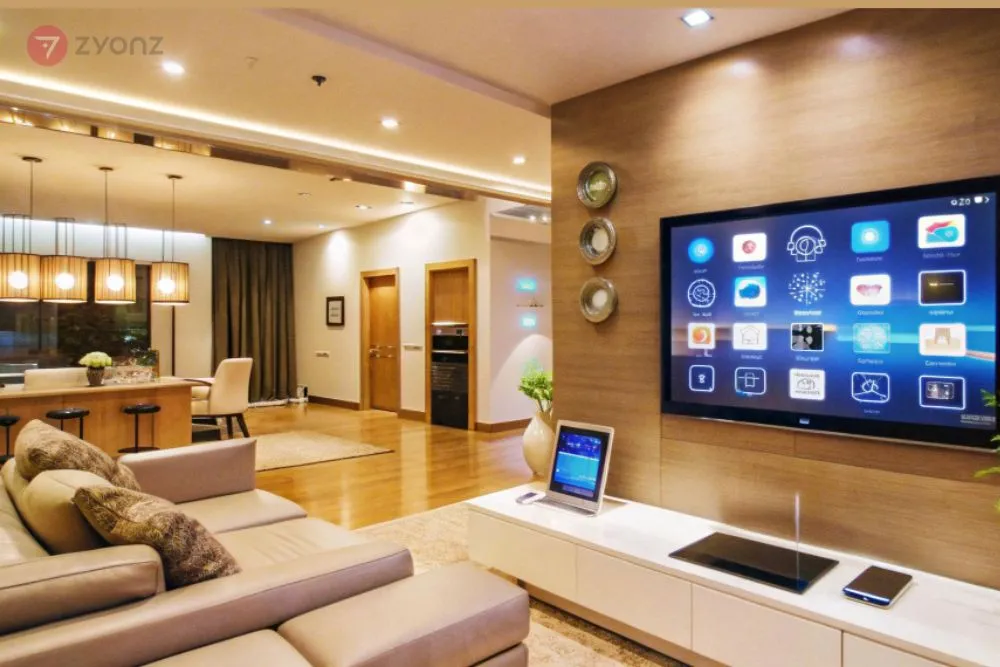
Smart home cooling technology lets you create a climate-controlled oasis without the usual energy waste. By leveraging advanced sensors, AI-driven appliances, and interoperable devices, residents can optimize how and when their homes stay cool. Whether you’re focused on health, cost savings, or environmental impact, today’s systems offer intuitive features and adaptive performance for every need.
AI-Powered Air Conditioners
Modern air conditioners are no longer basic appliances; they are intelligent devices equipped with sensors and proprietary algorithms. For example, Hisense’s U8 S Pro Air Conditioner capitalizes on motion and occupancy detection, learning when and where to deliver cooling. By adjusting airflow, humidity, and temperature in real time, these units keep rooms comfortable without requiring homeowners to make constant adjustments.
What sets this new class of air conditioners apart are features such as voice-controlled assistants and built-in air purification systems. These not only boost convenience but also contribute to healthier living. With hands-free controls and AI-driven adjustments, AI-powered air conditioners save energy and minimize environmental impact.
Smart Thermostats
Smart thermostats have rapidly evolved, moving from basic programmable models into sophisticated climate managers. Devices like the Eve Smart Thermostat feature privacy-first designs, large displays, and touch interactivity. These thermostats analyze daily routines, occupancy, and even weather conditions, learning how to heat or cool spaces just in time for optimal comfort.
In addition to their advanced logic, many smart thermostats offer remote management via connected apps and voice control platforms. With presence-based automations, they intuitively reduce energy use when the home is empty, and signal users about eco-friendly settings. Together, this adaptive functionality and user-friendly interface offer meaningful savings and sustainability.
Energy-Efficient Heat Pumps
Heat pumps offer an electric alternative to traditional heating and cooling. They use innovative compressors and enhanced refrigerants to provide consistent performance, even when outdoor temperatures drop below freezing. Instead of generating heat, they transfer energy to and from the surrounding air, making them remarkably efficient year-round.
Modern variable-speed heat pumps gently ramp up or down in response to demand. This not only eliminates abrupt changes in airflow but can also extend the lifespan of each component. Many heat pumps are eligible for government rebates or incentives, which makes them a practical investment for those looking to forgo fossil fuels.
Passive Cooling Technologies
Not all smart cooling solutions use circuits and wires. Radiative cooling materials, for example, employ advanced nanostructures to emit heat as infrared radiation, keeping interiors cooler without using extra energy. By automatically adjusting their thermal emissivity and solar absorptance based on external conditions, these materials act as a “smart support ” for daily life and a better envelope.
This passive technology is gaining popularity for new builds and retrofits, especially as homeowners seek to reduce their carbon footprint. While research is ongoing, preliminary results show major potential to supplement or even replace active cooling systems in certain climates.
Integrated Smart Home Systems
The future of home cooling is about seamless integration. Ecosystems like LG’s Smart Green Home combine HVAC systems, heat pumps, and smart appliances under a unified AI platform. These systems provide real-time energy optimization by synchronizing schedules and device settings with user habits and utility price fluctuations.
With integrated systems, homeowners gain a holistic view of their energy consumption and can automate savings. These smart platforms continue to adapt, using real-world data to better support daily life, reduce waste, and lower monthly bills. For a look at how other companies are revolutionizing connected living, consult The Verge’s guide to smart home upgrades.
Future Trends in Smart Cooling
Over the next decade, homeowners can expect to see even more responsive and intuitive smart cooling devices. Advances in artificial intelligence will bring personalized comfort to every room, including systems that identify when windows are open or when maintenance is needed. Enhanced self-cleaning and antimicrobial features will expand, leading to healthier and more efficient home environments.
As homeowners increasingly seek sustainable, efficient, and convenient solutions, energy providers and manufacturers are joining forces to create interoperability standards across devices and systems. These standards ensure that solar panels, smart thermostats, energy storage units, and other home technologies work seamlessly together, maximizing performance and reliability. By adopting these integrated solutions, residents can enjoy lower energy costs, reduced environmental impact, and healthier living spaces. Smart, connected homes not only simplify daily life but also empower users to make informed decisions, paving the way for more sustainable, cost-effective, and intelligent living in the modern era.

Reach out for business queries.
wayhubs@gmail.com