

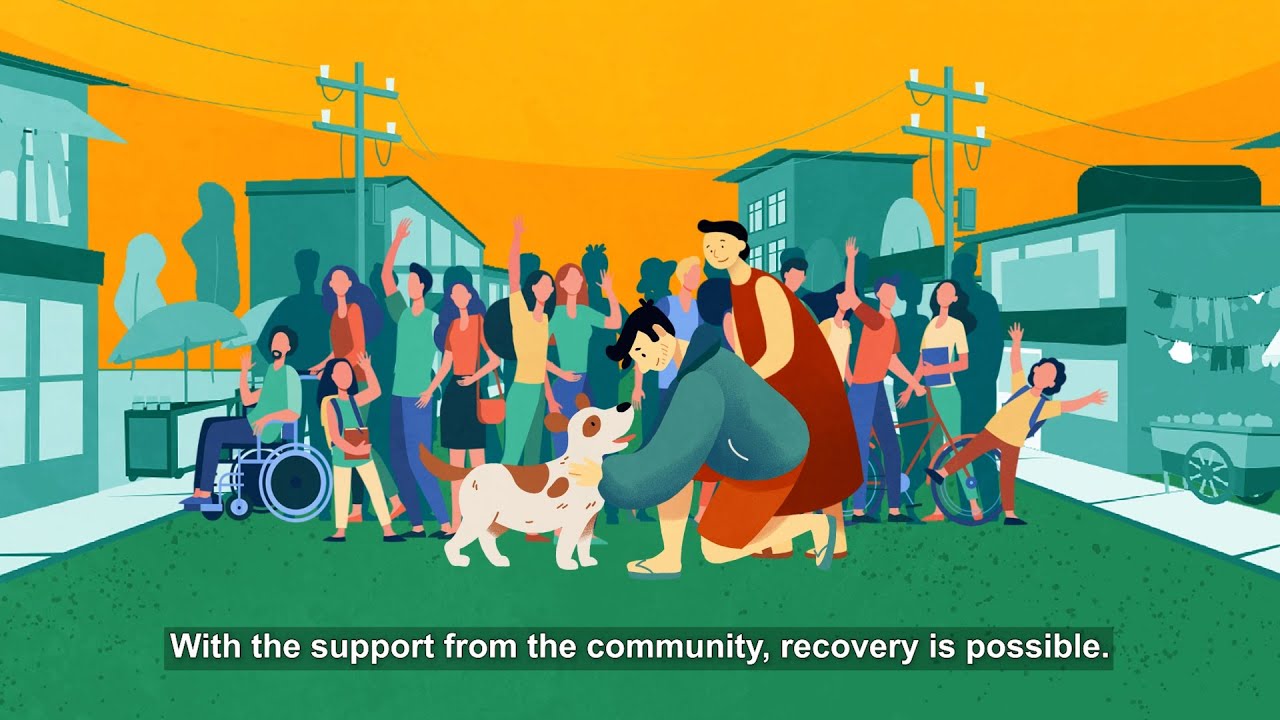
For many years, addiction recovery was often seen as something that happened behind the walls of a treatment facility. Individuals would enter a program, complete it, and then return to their daily lives with the hope that what they learned would carry them forward. While structured treatment programs remain a vital part of recovery, the conversation around substance use support has evolved. Today, communities themselves are becoming powerful partners in helping people rebuild their lives.
Community-based recovery programs are changing the way society approaches substance use disorders. Instead of focusing solely on clinical settings, these programs emphasize connection, accessibility, and ongoing support within the environments where people live and work. This shift reflects a growing understanding that recovery is not a single event—it is a long-term process shaped by relationships, opportunity, and a sense of belonging.
Across many regions of the United States, local initiatives are stepping in to bridge the gap between treatment and everyday life. Their impact is reshaping how individuals, families, and communities think about recovery.
The Shift Toward Community-Centered Recovery
Substance use disorders affect more than just the individual experiencing them. Families, workplaces, and entire communities often feel the ripple effects. Because of this, many recovery experts now emphasize approaches that involve the broader community rather than isolating recovery within clinical environments.
Community-based recovery programs recognize that healing often happens in familiar places. Neighborhood organizations, peer groups, and community centers are increasingly offering resources that support individuals throughout their recovery journey. These initiatives provide practical assistance, emotional encouragement, and opportunities to rebuild social connections.
By embedding support within local environments, recovery becomes less intimidating and more accessible. Individuals no longer have to feel as though they are stepping into a completely separate world to receive help. Instead, recovery becomes part of everyday life.
Why Accessibility Matters More Than Ever
One of the biggest challenges in addiction recovery is access. Not everyone can travel long distances, take extended time away from work, or leave family responsibilities behind to attend residential programs. Community-based support helps address these barriers.
Programs rooted in local communities are often easier to reach, more flexible in scheduling, and more attuned to the unique needs of the people they serve. Whether through support meetings, educational workshops, or outreach initiatives, they create spaces where individuals can seek help without disrupting every aspect of their lives.
This accessibility has become especially important in regions where treatment resources may be limited or where transportation presents a challenge. In places where Addiction Treatment in Pennsylvania and other states continues to evolve, community-based approaches are helping ensure that support is not limited to major urban centers.
When recovery resources exist within local communities, individuals are more likely to reach out early, before challenges become overwhelming.
The Power of Peer Support
One of the most influential elements of community-based recovery programs is peer support. People who have experienced addiction themselves often play a key role in guiding and encouraging others on similar journeys.
Peer mentors bring something unique to the recovery process: lived experience. They understand the challenges, fears, and setbacks that can come with overcoming substance use. Because of this shared understanding, individuals in recovery often feel more comfortable opening up and asking for help.
These relationships can foster trust and hope in ways that traditional support systems sometimes struggle to achieve. Seeing someone who has navigated recovery successfully can inspire confidence and reinforce the belief that lasting change is possible.
Peer-led programs also help create networks of accountability and encouragement. Participants can share strategies, celebrate milestones, and support one another through difficult moments. Over time, these relationships often grow into meaningful friendships that extend far beyond the program itself.
Reducing Stigma Through Community Engagement
Stigma remains one of the most persistent barriers to addiction recovery. Many individuals hesitate to seek help because they fear judgment or misunderstanding from others.
Community-based programs play an important role in challenging these perceptions. By bringing conversations about substance use into public spaces, they help normalize discussions about recovery and mental health.
Educational events, awareness campaigns, and community forums encourage open dialogue about addiction. These efforts help people recognize substance use disorders as complex health challenges rather than personal failures.
As understanding grows, communities become more supportive environments for recovery. Neighbors, employers, and local leaders begin to see how their actions can either create barriers or open doors for individuals working toward a healthier future.
This cultural shift can make a meaningful difference in whether someone feels comfortable asking for help.
Building Practical Life Skills
Recovery involves much more than stopping substance use. Many individuals must also rebuild aspects of life that were disrupted by addiction. Employment, housing, education, and relationships are all part of the long-term recovery journey.
Community-based recovery programs often provide practical resources that help individuals regain stability. Job training workshops, financial literacy classes, and housing assistance initiatives are common components of these programs.
These services address real-life challenges that people face after treatment. By focusing on stability and independence, community programs help individuals develop the confidence and skills needed to move forward.
Support networks also help people navigate everyday responsibilities, from managing stress at work to rebuilding family relationships. This holistic approach recognizes that recovery touches every part of a person’s life.
Family and Community Involvement
Addiction recovery rarely happens in isolation. Family members and close friends often play important roles in supporting long-term change.
Many community-based initiatives encourage family involvement through counseling sessions, educational programs, and support groups. These resources help loved ones better understand addiction and learn how to provide healthy support.
When families are included in the recovery process, communication improves and relationships can begin to heal. This shared understanding often strengthens the foundation needed for lasting recovery.
Beyond families, communities themselves become part of the support system. Local organizations, volunteers, and advocacy groups often collaborate to create environments where recovery is encouraged rather than hidden.
Technology and Modern Community Support
While community programs are rooted in local connections, technology is also expanding how support networks operate. Virtual support meetings, online educational resources, and digital peer groups are making recovery communities more accessible than ever.
These tools allow individuals to stay connected even when they cannot attend in-person gatherings. They also help people in rural areas or smaller towns access resources that might otherwise be unavailable.
Digital platforms can complement traditional community programs, creating hybrid systems that blend local support with broader networks of encouragement.
For many individuals, this flexibility makes it easier to maintain consistent engagement with recovery communities.
A Growing Movement Toward Long-Term Support
Another key benefit of community-based recovery programs is their long-term perspective. Traditional treatment programs often operate within fixed timelines, but recovery itself does not follow a strict schedule.
Community support systems allow individuals to remain connected long after formal treatment ends. Whether someone is one month or ten years into recovery, they can continue participating in peer groups, mentorship opportunities, and community events.
This continuity helps reduce feelings of isolation that sometimes emerge after structured treatment concludes. It also reinforces the idea that recovery is a lifelong journey supported by ongoing relationships and shared experiences.
Communities that embrace long-term support systems create environments where individuals can continue growing and contributing in meaningful ways.
Looking Ahead: The Future of Community Recovery
The growing emphasis on community-based recovery reflects a broader shift in how society understands substance use disorders. Rather than focusing solely on treatment facilities, the conversation now includes the environments where people live, work, and build relationships.
This approach recognizes that sustainable recovery requires more than clinical care. It involves supportive networks, opportunities for personal growth, and communities willing to create spaces where healing is possible.
Across the country, local initiatives continue to demonstrate the value of community-driven solutions. As conversations around addiction treatment in Pennsylvania and other regions evolve, these programs are helping redefine what recovery support can look like.
Their success suggests that the future of recovery may depend not only on professional treatment services but also on the collective strength of communities working together.
Final Thoughts
Substance use disorders are complex challenges that require compassionate, multifaceted responses. Community-based recovery programs offer a powerful example of how local connections can make a meaningful difference in people’s lives.
By prioritizing accessibility, peer support, education, and long-term engagement, these programs help individuals move beyond treatment and into sustainable recovery. They also remind communities that recovery is not just an individual effort—it is a shared journey.
As more communities embrace this model, the path toward recovery may become clearer, more inclusive, and more hopeful for those seeking a new beginning.

Reach out for business queries.
wayhubs@gmail.com