

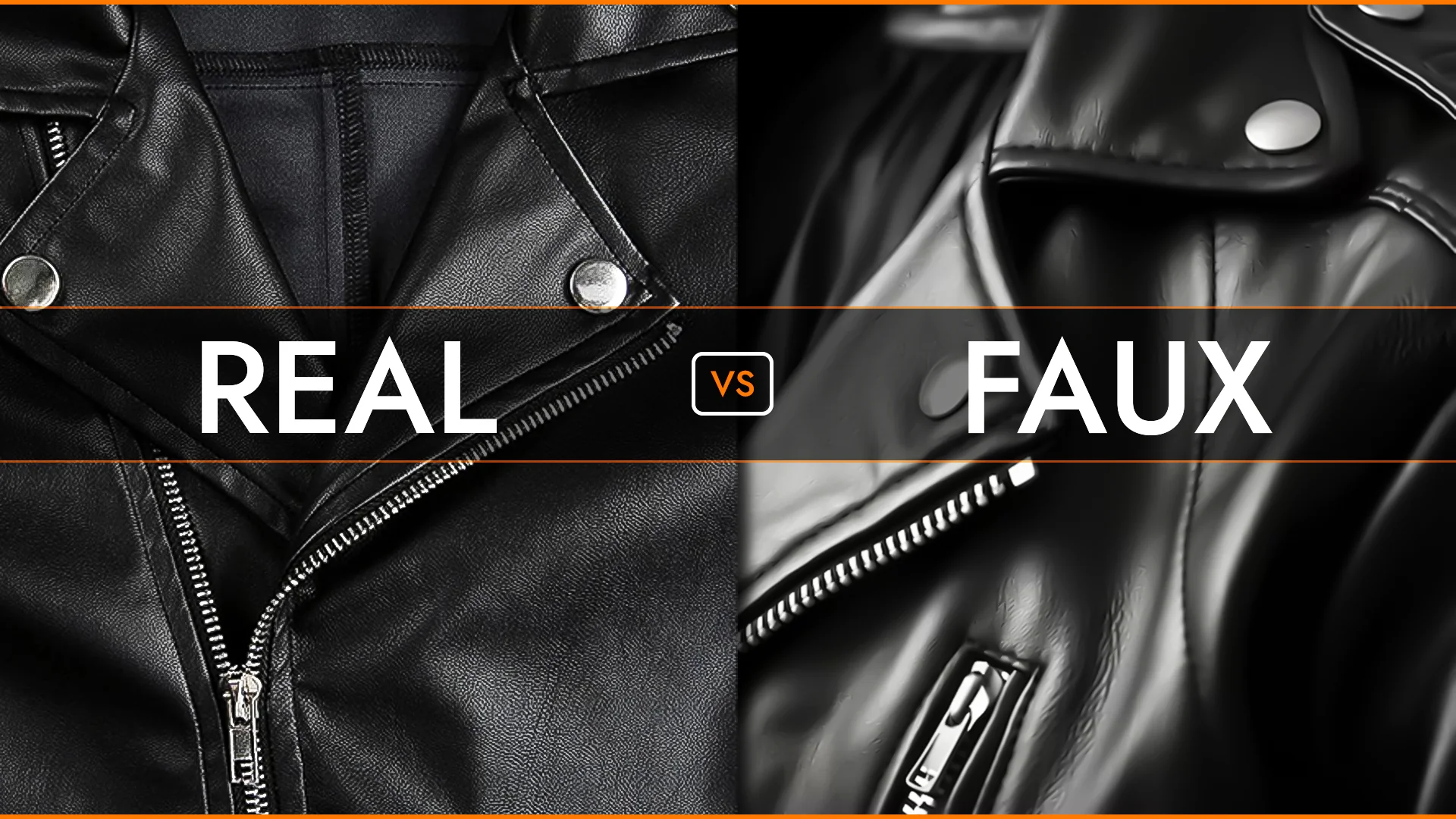
Leather jackets are a timeless staple in men’s and women’s wardrobes across the USA. From rugged bikers to casual streetwear enthusiasts, everyone appreciates the style, durability, and confidence that a leather jacket brings. However, as demand grows, so does the risk of purchasing low-quality or fake leather. Many buyers unknowingly invest in synthetic jackets that look convincing at first but fail in durability, comfort, and overall appearance. Knowing how to tell if a leather jacket is real or fake is essential, especially when buying high-end items like genuine leather bomber jackets or premium collections from braford leather.
Understanding the difference between real and fake leather not only protects your investment but also ensures you enjoy the jacket for years without disappointment. This guide will cover everything you need to know to identify authentic leather, avoid common mistakes, and make a confident purchase.
Why Authentic Leather Matters
Real leather offers unmatched durability, comfort, and aesthetic appeal. It softens over time, develops a natural patina, and molds to your body for a personalized fit. Fake leather, on the other hand, is typically made from polyurethane (PU) or polyvinyl chloride (PVC) and can peel, crack, or lose color within months. While synthetic alternatives may be cheaper, they cannot replicate the longevity or natural texture of real leather.
High-quality brands, including braford leather, use genuine leather sourced and treated with care, ensuring jackets maintain their structure, shine, and softness over years. Investing in a real leather jacket, particularly a braford leather jacket or genuine leather bomber jacket, guarantees a product that looks better over time and withstands daily wear.
Examine the Leather Surface
The surface texture is one of the first indicators of authenticity. Real leather is slightly uneven, with natural marks, pores, and minor imperfections. This natural variability gives each jacket a unique character. Fake leather tends to be overly smooth and uniform, lacking the irregularities of genuine leather.
Gently running your hand across the material can reveal these differences. Real leather feels soft yet firm, with a subtle grain pattern, while fake leather often feels plasticky or overly consistent. Examining the edges, seams, and folds can also help; authentic leather has a fibrous structure, while synthetic materials appear laminated or artificially coated.
Smell Test
Leather has a distinctive, earthy scent that synthetic materials cannot replicate. Genuine leather emits a warm, rich aroma derived from the tanning process, whereas fake leather often smells like chemicals, plastic, or rubber. When purchasing a jacket in-store, take a moment to smell the material. Online buyers can look for product descriptions specifying “real leather” and reviews confirming authenticity.
Brands like braford leather ensure their jackets carry the natural leather aroma, giving buyers confidence in their purchase and distinguishing them from imitation products.
Flexibility and Softness
Real leather is naturally flexible and softens over time without losing shape. It bends, folds, and creases naturally, returning to its original form with minimal deformation. Fake leather, however, tends to crack or retain creases permanently. Lightly folding a section of the jacket or pressing your fingers into the surface can indicate flexibility. Authentic leather responds fluidly, while synthetic materials feel stiff or unnaturally smooth.
This flexibility also contributes to comfort and longevity. High-quality jackets, such as genuine leather bomber jackets, are designed to move with your body, offering both style and practicality.
Water Test
Leather is naturally water-resistant to a small degree. Sprinkling a few drops of water on the surface can help identify authenticity. Real leather absorbs moisture slowly, darkening slightly before drying back to its original color. Fake leather typically repels water, and drops will bead on the surface without absorption. While this test should be done carefully to avoid damaging a new jacket, it is a reliable indicator when combined with other checks.
Inspecting the Stitching and Lining
Authentic leather jackets, including those from braford leather, feature meticulous stitching and high-quality linings. Seams are uniform, tight, and reinforced, while synthetic jackets often have uneven stitching and cheap fabric inside. High-end jackets use durable thread that can withstand stress, whereas low-quality alternatives may fray or pull easily.
Checking the lining also provides clues. Real leather jackets frequently have premium linings made from materials like cotton, polyester blends, or satin for comfort, while fake jackets may have rough or thin linings that reduce comfort and longevity.
Price Considerations
While price alone does not guarantee authenticity, extremely low-cost leather jackets are often synthetic or heavily treated materials. Genuine leather requires more labor, material, and craftsmanship, which naturally increases cost. If a deal seems too good to be true, it probably is. Investing in premium brands like braford leather ensures you pay for real quality, not cheap imitation.
Label and Certification
Always check labels and product descriptions carefully. Real leather jackets will often include information about the leather type, country of origin, and tanning process. Trusted brands provide transparency about sourcing and treatment methods. Certifications, tags, or authenticity cards from the manufacturer can provide additional assurance, particularly for high-end jackets such as braford leather jackets.
Common Myths About Fake vs Real Leather
Some buyers believe that all smooth leather is real, or that smell alone is enough to identify authenticity. Others assume price guarantees quality. While these factors can help, they are not foolproof. The most reliable method combines surface examination, touch, smell, flexibility, stitching, and brand reputation. A well-informed buyer can distinguish authentic leather from synthetic materials with confidence.
Why Brand Reputation Matters
Reputable brands are the most reliable indicator of genuine leather. Braford leather, for instance, has built a reputation for crafting durable jackets that maintain their look and feel over years of use. By purchasing from trusted manufacturers, buyers reduce the risk of receiving low-quality or fake leather. Brand reputation also ensures better customer service, warranties, and access to care instructions, further extending the jacket’s lifespan.
Care Tips for Authentic Leather Jackets
Even after confirming authenticity, proper care is essential to maintain quality. Clean lightly with a soft cloth, condition periodically, and store on wide, padded hangers in a cool, dry place. Avoid excessive exposure to sunlight and moisture. These practices preserve suppleness, color, and overall durability, ensuring jackets like genuine leather bomber jackets and braford leather jackets remain stylish and functional for many years.
Conclusion
Knowing how to tell if a leather jacket is real or fake is essential for anyone investing in quality fashion. Authentic leather provides unmatched durability, comfort, and visual appeal, while synthetic alternatives often fail within months. Examining texture, flexibility, smell, stitching, lining, and purchasing from trusted brands like braford leather ensures confidence in your investment.
Owning a high-quality jacket, particularly a genuine leather bomber jacket, means you are not just purchasing a fashion item, but a long-term staple of your wardrobe. With proper care, attention, and smart buying practices, a real leather jacket can remain stylish, durable, and uniquely yours for decades, becoming a signature piece that reflects both taste and practicality.

Reach out for business queries.
wayhubs@gmail.com